I’ve always believed that beef stew is the ultimate comfort food ambassador. There’s something almost magical about the transformation that happens when simple ingredients—tough beef, humble vegetables, and everyday seasonings—meld together in a pot over hours.
The rich aroma fills every corner of your home, practically wrapping you in a warm hug. Whether you’re a kitchen novice or a seasoned cook, this classic recipe deserves a spot in your repertoire. Curious about what makes this version special?

Why You’ll Love this Classic Beef Stew
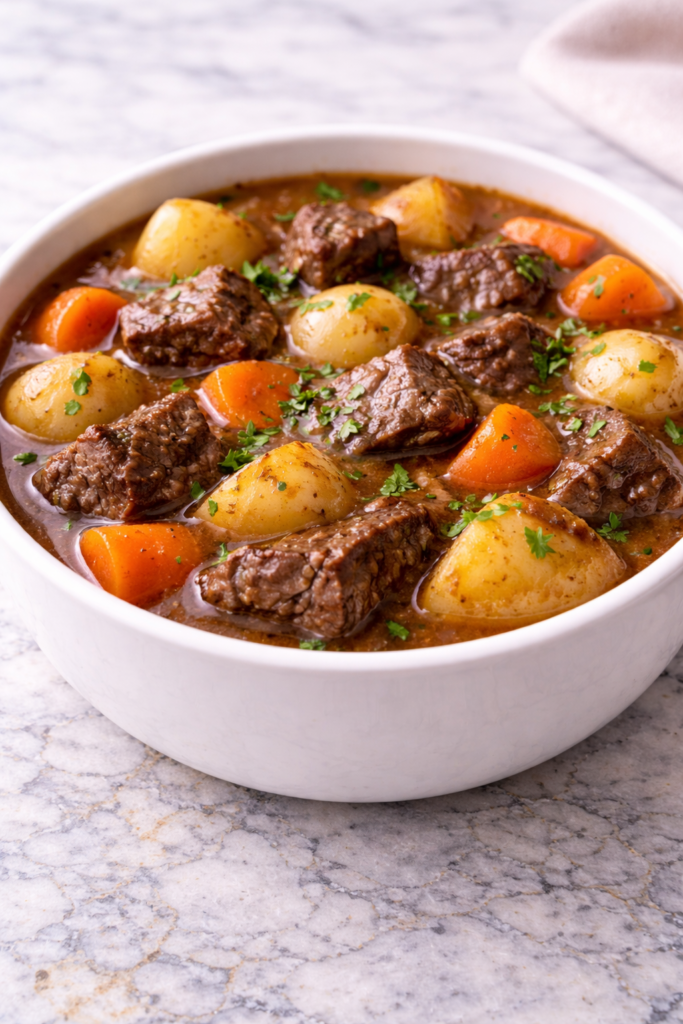
Comfort in a bowl. There’s nothing quite like the rich aroma of beef stew simmering on the stove, filling your home with warmth on a chilly day.
The tender chunks of beef chuck practically melt in your mouth, while perfectly cooked potatoes and carrots soak up that savory, wine-enhanced broth.
What makes this recipe special? It’s the balance of simplicity and depth.
The Worcestershire sauce adds that mysterious umami kick, while the tomato paste brings richness without overwhelming.
Don’t you love how those frozen peas add a pop of color and freshness?
What Ingredients are in Classic Beef Stew?
Here’s everything you’ll need to create this hearty, soul-warming beef stew that’ll have everyone asking for seconds.
- 2 pounds beef chuck stew meat, cut into 1-inch cubes
- Salt and pepper (for seasoning)
- 2 tablespoons vegetable or canola oil
- 1 medium onion, chopped
- 2 ribs celery, sliced
- 2 large carrots, chopped
- 3 cloves garlic, minced
- 1/4 cup tomato paste
- 2 cups beef broth
- 1/2 to 1 cup dry red wine
- 1 tablespoon Worcestershire sauce
- 1-2 bay leaves
- 1 pound baby potatoes, quartered
- 1 cup frozen peas
- 2 sprigs thyme
For the best flavor development, try to use a good quality beef broth and don’t skimp on browning the meat—those caramelized bits are where all the magic happens, creating that deep, rich flavor we all crave in a proper beef stew.
How to Make this Classic Beef Stew
Step 1: Brown the Beef
Season 2 pounds of beef chuck stew meat with salt and pepper, then brown in 2 tablespoons of oil until you get a gorgeous crust on all sides.
This might be the most important step for flavor—those browned bits are like little flavor bombs that make the stew absolutely incredible.
Step 2: Sauté the Vegetables
Remove the beef and set aside, then add 1 medium chopped onion, 2 ribs of sliced celery, and 2 large chopped carrots to the same pot.
Cook until they’re softened and starting to caramelize, about 5-7 minutes.
Add 3 cloves of minced garlic and cook for just another minute—garlic burns quickly and nobody wants that bitter taste.
Step 3: Add Tomato Paste
Stir in 1/4 cup of tomato paste and cook for a couple minutes until it darkens slightly.
This step concentrates the tomato flavor and helps thicken the stew while adding that umami depth we’re all looking for.
Step 4: Deglaze the Pot
Pour in 1/2 to 1 cup of dry red wine, scraping up all those wonderful browned bits from the bottom of the pot.
The sizzle of wine hitting the hot pan is one of those cooking sounds that just makes you know something good is happening.
Step 5: Combine Everything
Add 2 cups of beef broth, 1 tablespoon of Worcestershire sauce, 1-2 bay leaves, 2 sprigs of thyme, 1 pound of quartered baby potatoes, and the browned beef back to the pot.
This is where the magic starts to happen—all these flavors getting to know each other.
Step 6: Simmer Until Tender
Cover the pot and let everything simmer gently for 45-60 minutes, or until the beef is fork-tender.
The key word here is “gently”—a rapid boil will toughen the meat, and we want it falling apart with just a gentle nudge from your spoon.
For the most authentic results, consider using a quality cast iron skillet set which provides superior heat retention and distribution for perfect stews.
Step 7: Add the Peas
Stir in 1 cup of frozen peas during the last 5 minutes of cooking.
They’ll brighten up the stew with their pop of color and sweet flavor, while retaining that perfect texture because they’re not overcooked.
Step 8: Final Seasoning
Remove the bay leaves and thyme sprigs, then taste and adjust the seasoning with salt and pepper.
If you want a thicker stew, you can stir in a cornstarch slurry (1 tablespoon cornstarch mixed with 2 tablespoons cold water) and simmer for a few more minutes until it reaches your desired consistency.
What to Serve with Classic Beef Stew
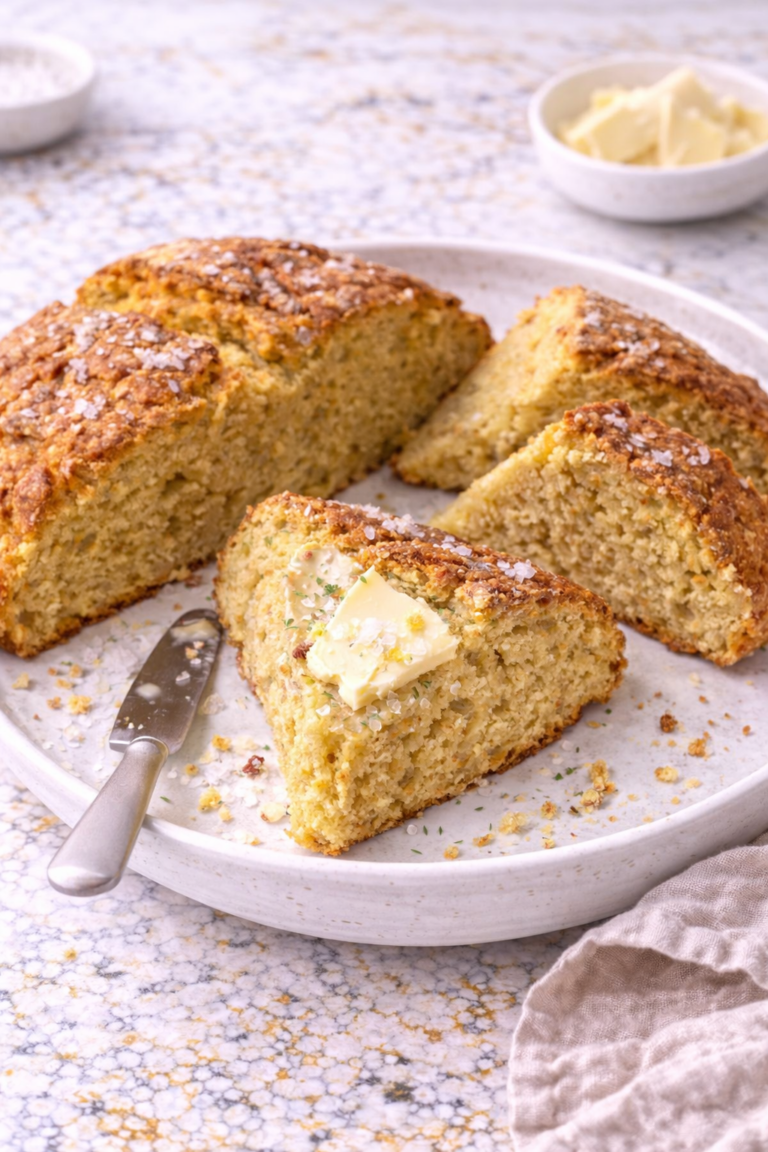
This hearty beef stew is practically a meal in itself, but a few simple sides can turn it into a proper feast. A crusty loaf of French bread or warm dinner rolls are perfect for sopping up every last bit of that rich gravy—because letting any of it go to waste would be a culinary crime.
For something green, try a simple mixed greens salad with a light vinaigrette to balance the stew’s richness.
On chilly evenings, nothing beats pairing this with a glass of the same red wine you used for cooking (Merlot or Cabernet works beautifully). For a non-alcoholic option, hot apple cider offers that same cozy feeling.
And if you’re feeling indulgent, a dollop of sour cream on top of each bowl adds a tangy creaminess that’s absolutely divine with beef.
Classic Beef Stew Substitutions and Variations
• Meat Options: Swap beef chuck for lamb shoulder or boneless chicken thighs (adjust cooking time for chicken).
For a meatless version, try mushrooms and extra potatoes.
• Liquid Alternatives: No wine? Use additional beef broth with a tablespoon of balsamic vinegar.
Apple juice works in a pinch for a slightly sweeter profile.
• Veggie Swaps: Sweet potatoes instead of regular potatoes add lovely color.
Parsnips, turnips, or butternut squash make wonderful seasonal additions.
• Dietary Adjustments: For gluten-free, verify your broth and Worcestershire sauce are certified GF.
For lower-carb, replace potatoes with cauliflower florets.
• Flavor Boosters: Add rosemary or oregano alongside thyme.
Stir in a tablespoon of prepared horseradish before serving for a zingy kick.
• Garnishes: Fresh parsley, a dollop of sour cream, or grated Parmesan cheese make this homey stew feel a bit fancy.
Leftovers and Storage for this Classic Beef Stew
This stew actually improves with time as the flavors meld together, making leftovers something to look forward to!
Store cooled stew in airtight containers in the refrigerator for up to 4 days.
For longer storage, freeze portions in freezer-safe containers for up to 3 months. Just leave a little headspace for expansion.
To reheat, warm gently on the stovetop over medium-low heat, adding a splash of broth if needed to loosen the consistency. Microwaving works too, but stir halfway through to guarantee even heating.
The potatoes might soften slightly upon reheating, but this just adds to the comforting, homey texture of the stew.
For the freshest taste when serving leftovers, consider adding a sprinkle of fresh herbs right before eating.
Final Thoughts
A truly remarkable beef stew isn’t just a meal—it’s a hug in a bowl. This classic recipe, with its tender chunks of beef chuck and medley of vegetables swimming in rich, wine-deepened gravy, delivers comfort in every spoonful.
What makes it special is how the simple ingredients transform through patient simmering into something far greater than their parts. Perfect for weekend cooking when time slows down, or when chilly weather calls for something substantial and warming.
Make this when you need to feed a family or want leftovers that actually improve with time. In a world of complicated cuisine, sometimes the most satisfying dishes are the ones that have stood the test of time.