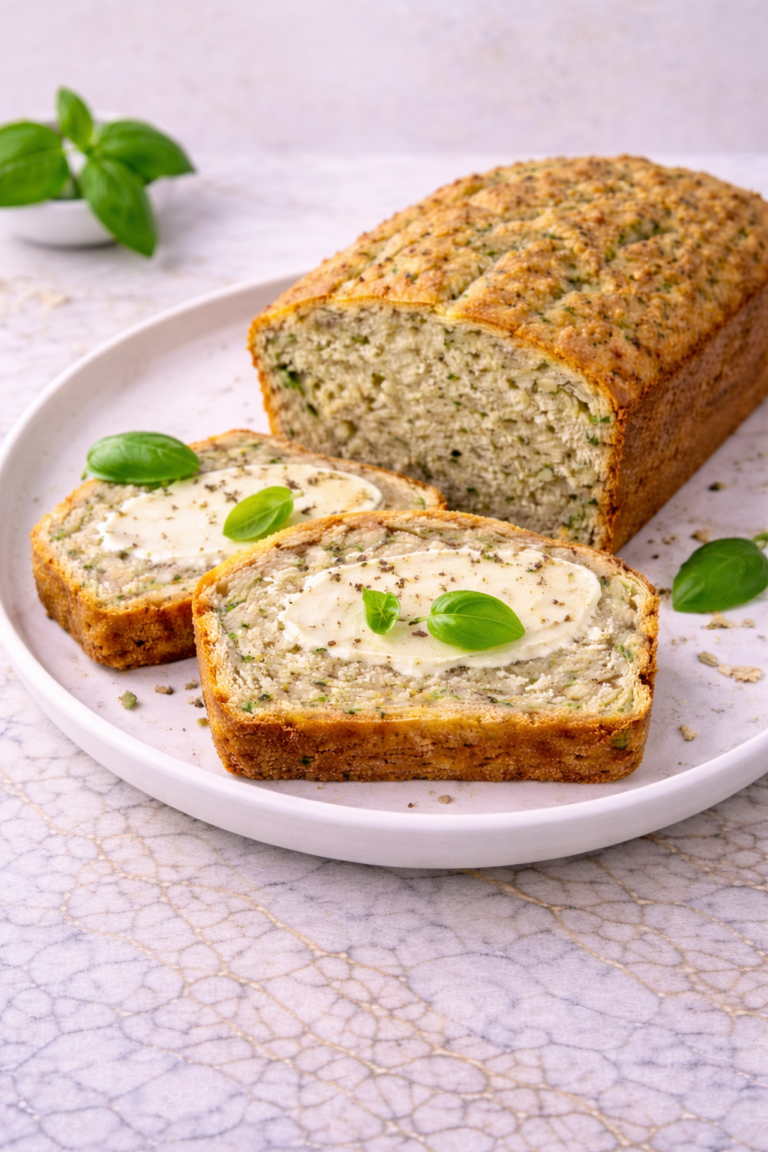
I started making this when I wanted a simple homemade bread that didn’t require yeast, a long rise, or any special equipment.
Chickpea flour adds a subtle nuttiness and a little extra protein that makes this loaf feel more interesting than a standard soda bread without complicating the process.
It comes together in one bowl and goes straight into the oven, which is exactly the kind of baking I reach for on a busy day.
I’ll show you how to get the texture right so the crumb is tender and the crust has that satisfying bite soda bread is known for. It’s a straightforward, rewarding bake that pairs well with just about anything.
Why You’ll Love This Recipe
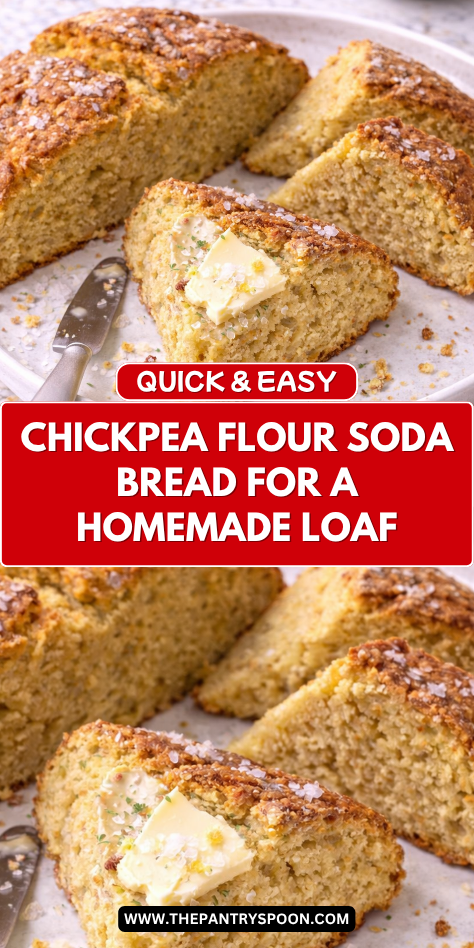
This Chickpea Flour Soda Bread is wonderfully easy to make, requiring no yeast and very little time from start to finish. The quick preparation makes it perfect for busy days when you still want something homemade.
The flavor is slightly nutty and savory, offering a unique twist on classic soda bread. It pairs beautifully with both sweet and savory toppings, making it a versatile addition to your kitchen.
Another reason this recipe stands out is its wholesome ingredient list. Using chickpea flour adds protein and fiber, making this bread both satisfying and nourishing.
Serves: 6–8 people
This recipe makes one small loaf, which serves about six to eight slices depending on how thick you cut them. It’s perfect for a family meal or a few days of enjoying leftovers.
Ingredients You’ll Need
- 2 cups chickpea flour
- 1 teaspoon baking soda
- ½ teaspoon salt
- 1 cup plain yogurt or dairy-free yogurt
- 2 tablespoons olive oil
- 1 tablespoon lemon juice or apple cider vinegar
- ¼ cup water (as needed for consistency)
Optional additions:
- 1 tablespoon fresh herbs (such as rosemary or thyme)
- 1 teaspoon garlic powder
- ¼ cup seeds (such as sesame or sunflower seeds)
Pro Tips
Sift the chickpea flour before mixing to remove any lumps and ensure a smoother dough. This helps create a more even texture in the finished bread.
Mix the dough just until combined to avoid overworking it. Overmixing can make the bread dense instead of tender.
Adjust the liquid gradually to achieve a soft but not sticky dough. Chickpea flour can vary slightly in how much moisture it absorbs.
Use a sharp knife to score the top of the loaf before baking. This helps the bread bake evenly and creates a classic soda bread look.
Bake until the loaf is firm and sounds hollow when tapped on the bottom. This is a good indicator that it’s fully cooked.
Allow the bread to cool slightly before slicing. This helps it set and makes it easier to cut clean slices.
Tools You’ll Need
- Mixing bowl
- Measuring cups and spoons
- Whisk or spoon
- Baking sheet or loaf pan
- Parchment paper
- Knife for scoring
Substitutions and Variations
You can substitute the yogurt with a dairy-free alternative to make the bread completely plant-based. This works well and still provides the necessary moisture and tang.
For added flavor, mix in herbs, spices, or even a bit of grated cheese if you prefer a richer version. These additions enhance the overall taste without complicating the recipe.
If you want a slightly lighter texture, you can combine chickpea flour with a small amount of all-purpose or gluten-free flour. This creates a softer crumb.
You can also add seeds or nuts for extra texture and nutrition. These mix-ins make the bread more interesting and satisfying.
For a slightly tangier flavor, increase the lemon juice or vinegar slightly. This enhances the classic soda bread taste while complementing the chickpea flour.
Make Ahead Tips
Chickpea Flour Soda Bread is best enjoyed fresh, but it can still be prepared ahead with great results. You can mix the dry ingredients in advance and store them in an airtight container, then simply add the wet ingredients when you’re ready to bake.
If you want to fully prepare the loaf ahead of time, bake it and allow it to cool completely before storing. It can be kept at room temperature for a day or refrigerated for a few days.
For longer storage, you can freeze the baked bread in slices. This makes it easy to thaw and enjoy whenever you need a quick, homemade option.
Instructions
Step 1: Preheat the Oven
Preheat your oven to 375°F and line a baking sheet with parchment paper. This ensures the bread doesn’t stick and makes cleanup easier.
Having the oven fully preheated helps the bread rise properly once it goes in. Consistent heat is key for a good texture.
Step 2: Mix the Dry Ingredients
In a large mixing bowl, combine the chickpea flour, baking soda, and salt. Whisk until everything is evenly distributed.
If you’re adding optional dry ingredients like garlic powder or seeds, mix them in at this stage. This ensures even flavor throughout the bread.
Step 3: Combine the Wet Ingredients
In a separate bowl, mix the yogurt, olive oil, and lemon juice or apple cider vinegar. Stir until smooth and well combined.
This mixture provides moisture and helps activate the baking soda. The acidity is essential for the bread’s rise.
Step 4: Form the Dough
Pour the wet ingredients into the bowl with the dry ingredients. Stir gently until a dough begins to form.
Add water gradually, a little at a time, until the dough comes together into a soft but manageable consistency. Avoid making it too wet or sticky.
Step 5: Shape the Loaf
Transfer the dough onto a lightly floured surface or directly onto the prepared baking sheet. Shape it into a round loaf.
Use your hands to gently smooth the surface, then use a knife to score a shallow cross on top. This helps the bread bake evenly.
Step 6: Bake the Bread
Place the loaf in the preheated oven and bake for 30–35 minutes. The bread should be firm and lightly golden on the outside.
Check for doneness by tapping the bottom of the loaf. It should sound hollow, indicating it’s fully baked.
Step 7: Cool and Slice
Remove the bread from the oven and allow it to cool on a rack for at least 15–20 minutes. This helps the interior set properly.
Slice with a sharp knife and serve warm or at room temperature. The texture will continue to improve as it cools slightly.
Serving Suggestions
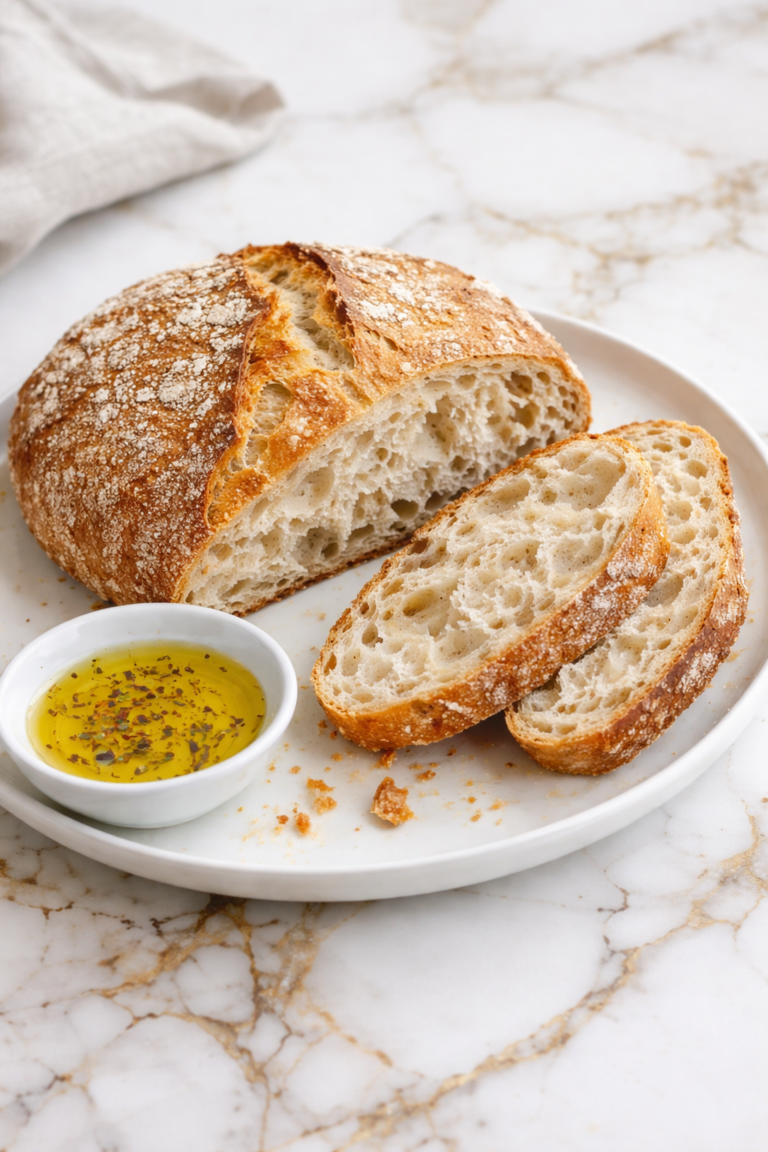
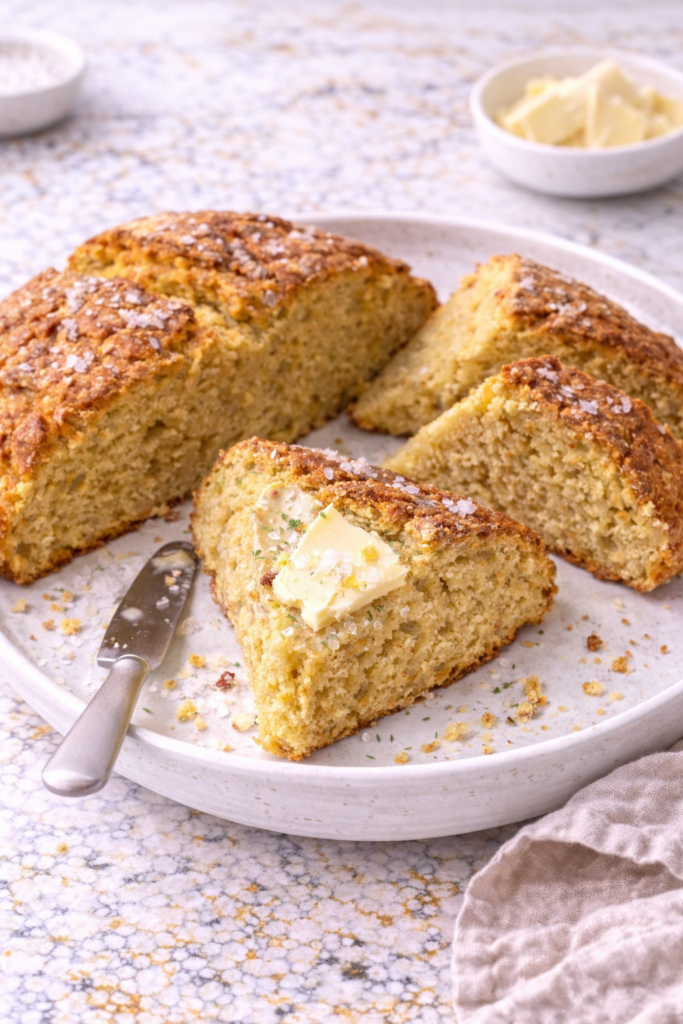
This bread is wonderful served warm with a spread of butter, olive oil, or your favorite dip. Its slightly nutty flavor pairs well with simple toppings.
You can also enjoy it alongside soups or stews, where it acts as a hearty and satisfying accompaniment. It’s especially good with comforting, savory dishes.
For a lighter option, serve it with a fresh salad. The bread adds substance while complementing the crispness of the greens.
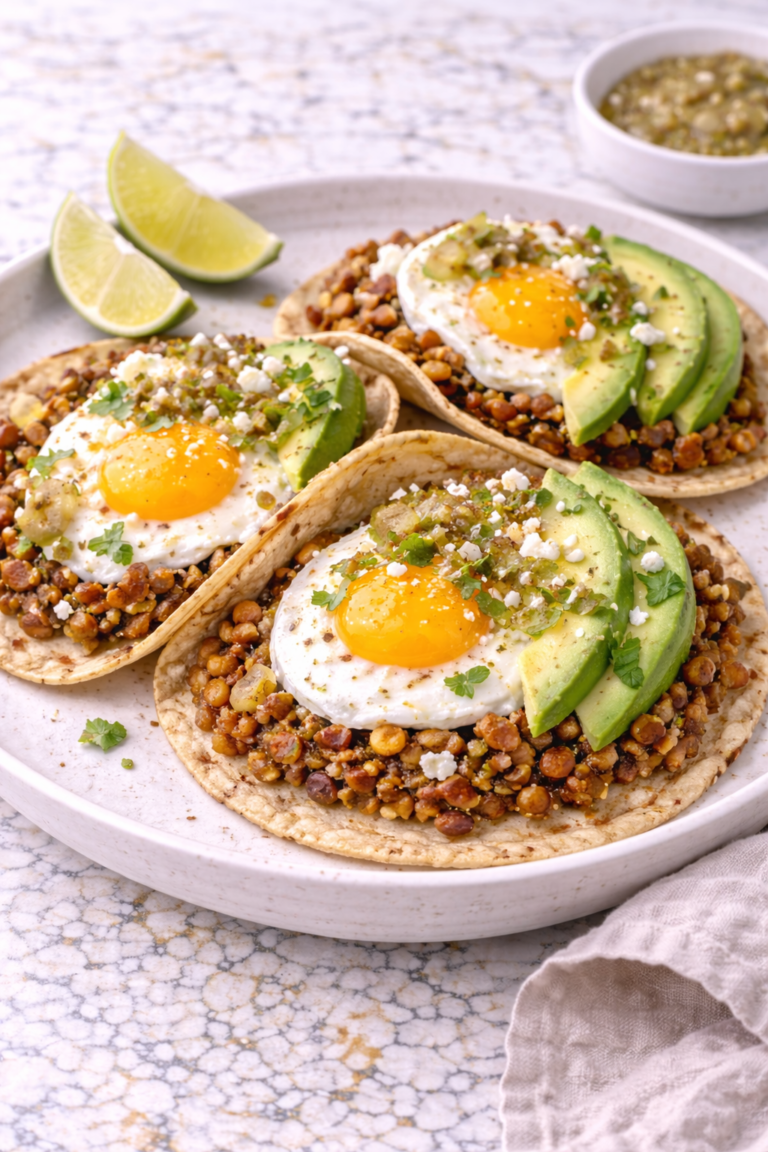
It also works well toasted, topped with avocado, hummus, or soft cheese. This makes it a versatile option for breakfast or snacks.
If you’re entertaining, slice it and serve with a selection of spreads or dips. It’s an easy way to create a simple yet appealing appetizer.
Leftovers and Storage
Store leftover Chickpea Flour Soda Bread in an airtight container at room temperature for up to one day. For longer storage, keep it in the refrigerator for up to three days.
To reheat, warm slices in a toaster or oven to restore their texture. This helps bring back some of the original softness.
You can also freeze the bread in slices for up to one month. Wrap them individually for easy access and thaw as needed.
Avoid leaving the bread uncovered, as it can dry out quickly. Proper storage helps maintain its texture and flavor.
If the bread becomes slightly dry, lightly toasting it can improve its texture. This makes it just as enjoyable as when freshly baked.
Nutrition and Benefits
- Chickpea flour is rich in protein and fiber, making this bread more filling and nutritious than traditional options. It supports sustained energy and satiety.
- This recipe is naturally gluten-free when made with certified chickpea flour, making it suitable for those with dietary restrictions. It’s a great alternative to wheat-based bread.
- The use of simple, whole ingredients allows you to control what goes into your food. This makes it a more wholesome choice compared to processed bread.
- Olive oil adds healthy fats that contribute to both flavor and nutritional value. It also helps create a tender texture.
- The bread’s versatility makes it easy to pair with a variety of nutrient-rich foods, helping you build balanced meals. It’s a practical and nourishing addition to your diet.
Recipe FAQ
Why is my bread dense?
Chickpea flour naturally creates a denser texture than traditional flour. Overmixing or adding too little liquid can also contribute. Make sure to mix gently and adjust moisture as needed.
Can I use a different flour?
You can combine chickpea flour with other flours for a lighter texture. However, using only chickpea flour gives the bread its distinct flavor and structure. Adjustments may be needed.
How do I know when the bread is done?
The bread should be firm on the outside and sound hollow when tapped on the bottom. A golden color is also a good indicator. If unsure, bake a few minutes longer.
Can I make this dairy-free?
Yes, simply use a dairy-free yogurt alternative. The recipe works well with plant-based options. It’s an easy substitution.
Can I add flavors to the dough?
Absolutely, herbs, spices, and seeds are great additions. They enhance the flavor without changing the structure. Customize based on your preference.
Why do I need to score the top?
Scoring helps the bread bake evenly and allows steam to escape. It also gives the loaf its classic appearance. Skipping this step may affect the texture slightly.
Is this bread good for sandwiches?
Yes, though it is slightly denser than traditional bread. It works best when sliced thin and paired with flavorful fillings. Toasting can also improve its texture for sandwiches.
Conclusion
Chickpea Flour Soda Bread is a simple, wholesome recipe that delivers comforting flavor with minimal effort. It’s easy to prepare, versatile, and perfect for both everyday meals and special occasions.
With its hearty texture and nourishing ingredients, it’s a bread you’ll find yourself making again and again. It offers a reliable, satisfying option that fits effortlessly into any routine.