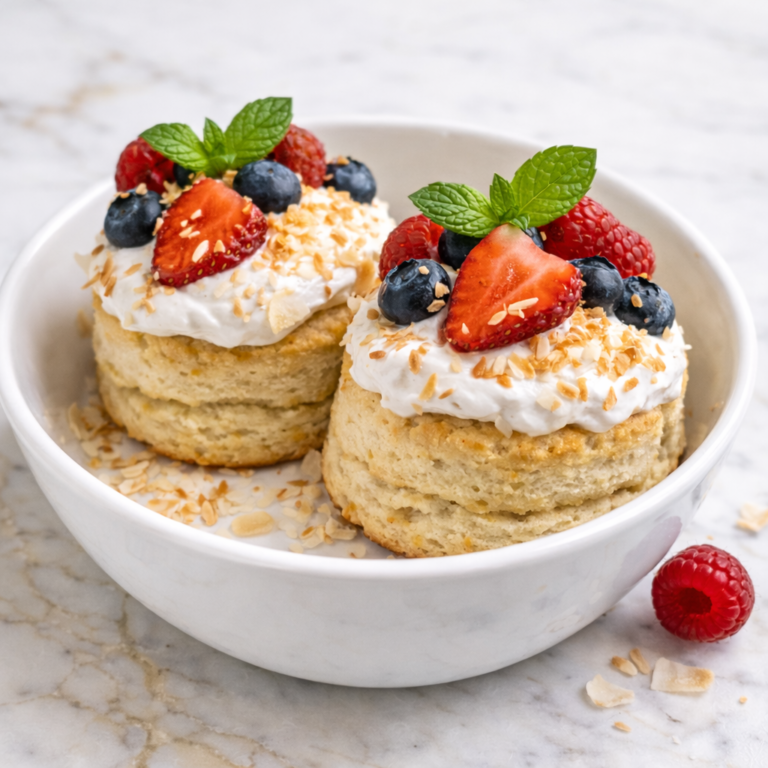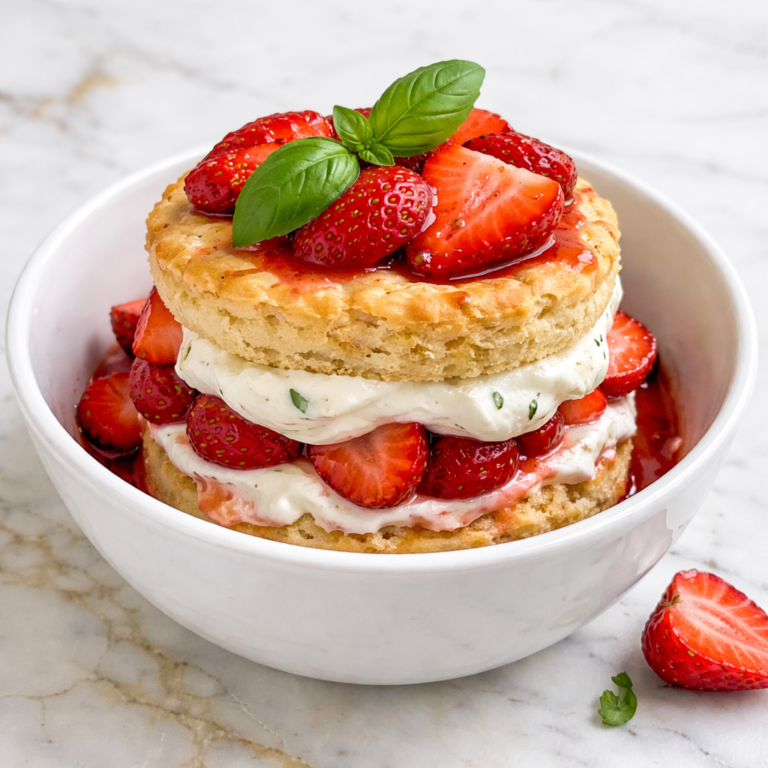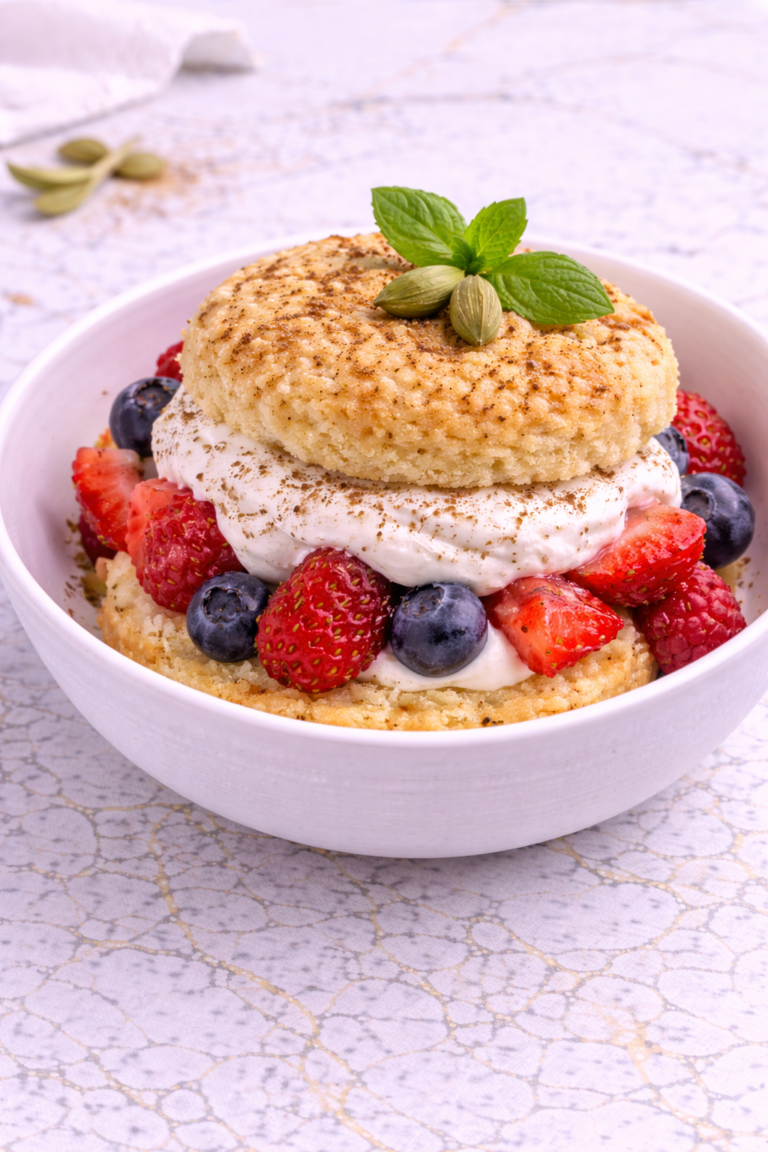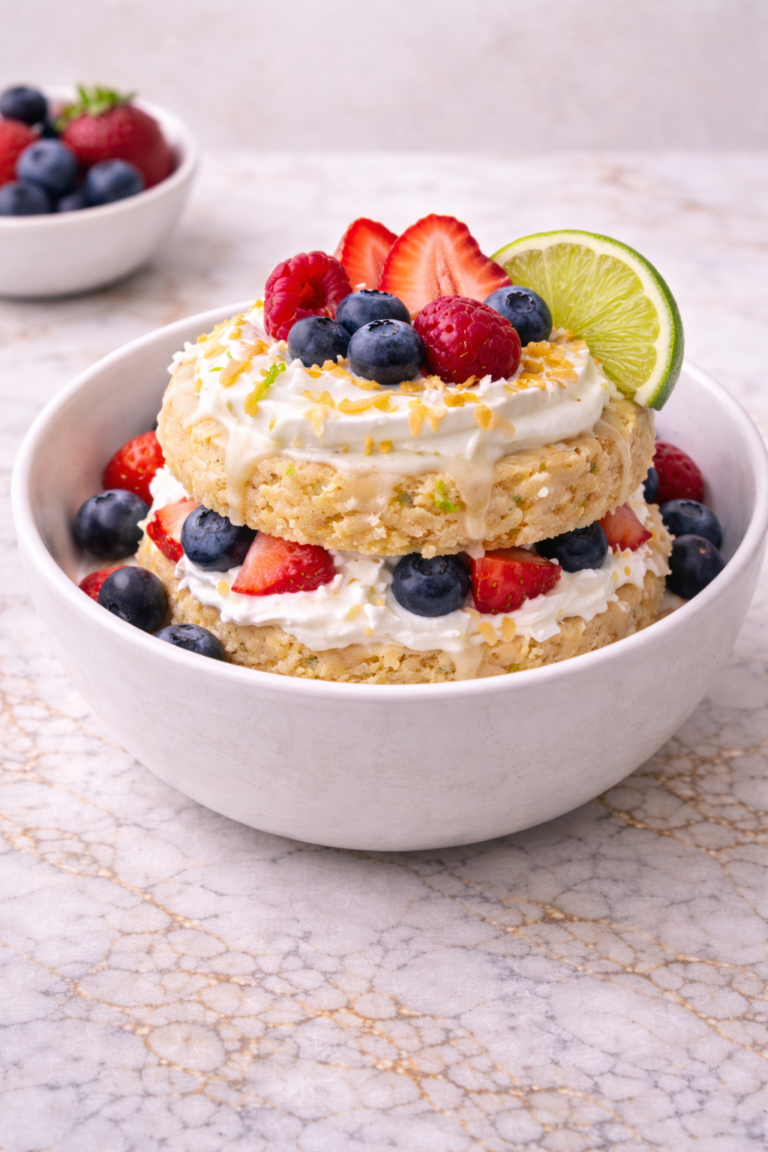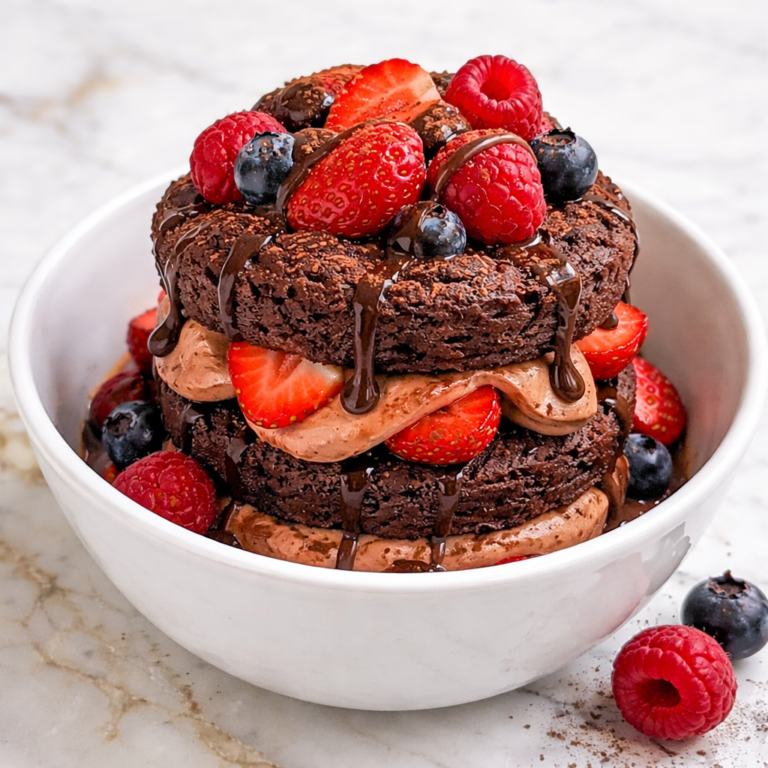
I make chia seed pudding shortcake when I want something that feels like a treat but still works for breakfast or snack time. It has creamy chia pudding, juicy fruit, and soft shortcake pieces layered together in a way that feels simple, sweet, and comforting.
This is the kind of recipe I like to keep ready for busy mornings or easy desserts. The chia pudding can be made ahead, the fruit adds freshness, and the shortcake gives each spoonful that familiar homemade taste families love.
Why You’ll Love This Recipe
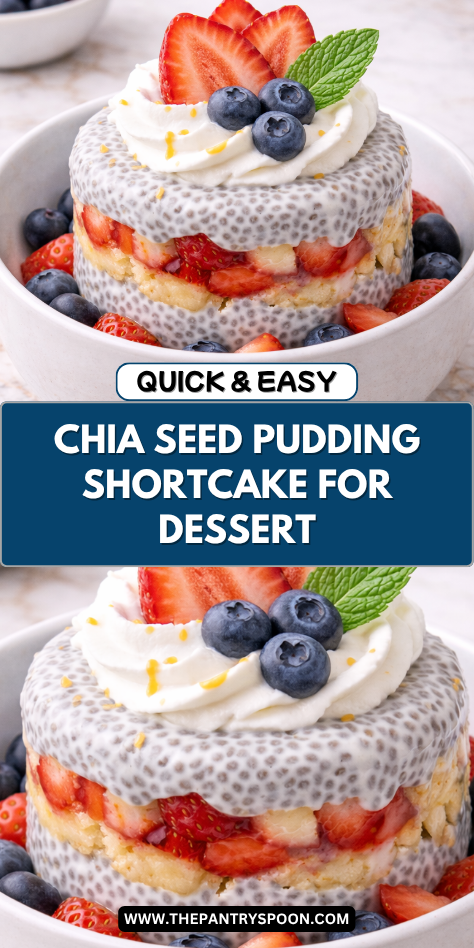
Chia seed pudding shortcake is creamy, fruity, and lightly sweet with a fun layered texture. It has the cozy flavor of shortcake, but the chia pudding makes it feel a little more wholesome and easy to enjoy any time of day.
This recipe is also very family-friendly because it can be served in jars, bowls, or small cups. Kids can help layer the pudding, fruit, and shortcake, which makes it feel like a fun kitchen project without much mess.
You will love how flexible it is for meal prep, breakfast, snacks, or a lighter dessert. You can use strawberries, blueberries, raspberries, peaches, or whatever fruit your family enjoys most.
Serves: 6 people
This recipe serves about 6 people when layered in small jars, glasses, or bowls. You can make smaller portions for kids, larger bowls for breakfast, or mini dessert cups for a brunch table or family gathering.
Ingredients You’ll Need
For the Chia Seed Pudding
- 2 cups milk, dairy or non-dairy
- ½ cup chia seeds
- 2 tablespoons maple syrup or honey
- 1 teaspoon vanilla extract
- ¼ teaspoon kosher salt
- 1 tablespoon plain Greek yogurt, optional for extra creaminess
- 1 to 3 tablespoons extra milk, as needed for thinning after chilling
For the Fruit Layer
- 2 cups fresh strawberries, hulled and sliced
- 1 cup fresh blueberries or raspberries
- 1 teaspoon fresh lemon juice
- 1 to 2 teaspoons maple syrup or honey, optional
- ½ teaspoon vanilla extract
- ½ teaspoon lemon zest, optional
For the Shortcake Layer
- 2 cups shortcake, pound cake, angel food cake, or biscuits, cut into bite-size pieces
- 1 tablespoon melted butter, optional for toasting
- 1 teaspoon granulated sugar, optional for toasting
- ¼ teaspoon cinnamon, optional for toasting
For Serving
- ½ cup whipped cream or vanilla Greek yogurt, optional
- Extra sliced strawberries, optional
- Extra blueberries or raspberries, optional
- A light sprinkle of crushed shortcake crumbs, optional
Pro Tips
Stir the chia pudding twice before chilling. Chia seeds like to clump together, so mixing once when you start and again after 5 minutes helps the pudding thicken evenly.
Use a milk your family already likes. Whole milk makes the pudding creamy, while almond milk, oat milk, or coconut milk can keep it lighter or dairy-free.
Let the pudding chill long enough. It needs at least 4 hours to thicken, but overnight gives the best creamy texture.
Cut the shortcake pieces small enough to fit on a spoon. This makes each bite easy to eat and helps the layers feel balanced.
Keep the shortcake separate until serving if you want more texture. Once layered, it will soften from the pudding and fruit, which tastes good but becomes more cake-like.
Taste the fruit before adding sweetener. Ripe berries may not need much honey or maple syrup, while tart fruit may need a small drizzle.
Tools You’ll Need
- Medium mixing bowl
- Large jar or covered container
- Measuring cups
- Measuring spoons
- Whisk
- Spoon or rubber spatula
- Cutting board
- Sharp knife
- Citrus zester, optional
- Citrus juicer or fork
- Small bowl for fruit
- Baking sheet, optional for toasting shortcake
- Parchment paper, optional
- Serving jars, glasses, or bowls
- Airtight containers for storage
Substitutions and Variations
Use a Different Milk
Use whole milk, almond milk, oat milk, coconut milk, or soy milk for the chia pudding. Choose one with a flavor your family already enjoys because it will be part of the final taste.
Make It Dairy-Free
Use non-dairy milk and skip the Greek yogurt, or use a dairy-free yogurt instead. Choose dairy-free shortcake, pound cake, or biscuits if needed so the whole recipe stays dairy-free.
Change the Fruit
Use peaches, mango, blackberries, cherries, or mixed berries instead of strawberries and blueberries. Soft, juicy fruit works best because it adds natural sweetness and a fresh shortcake-style layer.
Add More Texture
Toast the shortcake pieces with a little melted butter, sugar, and cinnamon before layering. This gives the dessert a light crunch and helps the cake pieces hold their shape a little longer.
Make It More Filling
Add a layer of Greek yogurt, vanilla yogurt, or a spoonful of nut butter between the pudding and fruit. This makes the jars heartier for breakfast or a more satisfying afternoon snack.
Make Ahead Tips
Chia seed pudding shortcake is a wonderful make-ahead recipe because the pudding needs time to thicken. I like to mix the chia pudding the night before, then layer it with fruit and shortcake pieces when we are ready to eat.
For the best texture, chill the chia pudding for at least 4 hours. Overnight is even better because the chia seeds fully soften and the pudding becomes thick, creamy, and easy to spoon.
You can also prep the fruit a few hours ahead. Slice the strawberries, add the blueberries or raspberries, then toss them with lemon juice, vanilla, and a little maple syrup or honey if the fruit needs extra sweetness.
If you want the shortcake pieces to stay firm, keep them separate until serving. Once they are layered with the pudding and fruit, they soften into a cake-like texture, which tastes good but does not stay crisp.
For meal prep jars, layer the pudding and fruit ahead, then add the shortcake pieces the morning you plan to serve them. This keeps the jars fresh while still making breakfast, snacks, or dessert easy.
Instructions
Step 1: Mix the Chia Pudding Base
In a medium mixing bowl or large jar, combine 2 cups milk, ½ cup chia seeds, 2 tablespoons maple syrup or honey, 1 teaspoon vanilla extract, and ¼ teaspoon kosher salt. Whisk well so the chia seeds are evenly spread through the liquid.
Let the mixture sit for 5 minutes. Whisk again to break up any clumps and make sure the seeds are not sticking to the bottom.
Step 2: Chill the Pudding
Cover the bowl or jar and place it in the refrigerator for at least 4 hours. For the creamiest texture, let it chill overnight.
When the pudding is ready, stir it well with a spoon. It should be thick, creamy, and scoopable, not watery or stiff.
Step 3: Adjust the Texture
If the chia pudding feels too thick after chilling, stir in 1 to 3 tablespoons extra milk. Add the milk slowly so you can stop when the texture looks right.
If you want extra creaminess, stir in 1 tablespoon plain Greek yogurt. This makes the pudding smoother and gives it a gentle tang that works well with the fruit and shortcake.
Step 4: Prepare the Fruit Layer
In a small bowl, combine 2 cups hulled and sliced fresh strawberries and 1 cup fresh blueberries or raspberries. Add 1 teaspoon fresh lemon juice, ½ teaspoon vanilla extract, and ½ teaspoon lemon zest if using.
Taste the fruit before adding sweetener. If the berries are tart, stir in 1 to 2 teaspoons maple syrup or honey and let the fruit rest for 10 minutes.
Step 5: Prepare the Shortcake Pieces
Cut 2 cups shortcake, pound cake, angel food cake, or biscuits into bite-size pieces. The pieces should be small enough to fit on a spoon but large enough to hold their shape in the layers.
If you want a firmer texture, toss the pieces with 1 tablespoon melted butter, 1 teaspoon granulated sugar, and ¼ teaspoon cinnamon. Spread them on a parchment-lined baking sheet and toast at 350°F for 5 to 7 minutes, then let them cool.
Step 6: Start the First Layer
Spoon a layer of chia pudding into the bottom of each serving jar, glass, or bowl. Use about ⅓ cup pudding for each serving if making 6 portions.
Spread the pudding gently so it covers the bottom. This creates a creamy base and helps hold the fruit and shortcake pieces in place.
Step 7: Add Fruit and Shortcake
Add a spoonful of the prepared fruit over the chia pudding. Make sure to include a little of the fruit juice because it adds sweetness and softens the shortcake slightly.
Add a layer of shortcake pieces over the fruit. Keep the pieces loose and even so each bite has pudding, fruit, and cake.
Step 8: Repeat the Layers
Add another layer of chia pudding over the shortcake pieces. Follow with more fruit and a few more shortcake pieces on top.
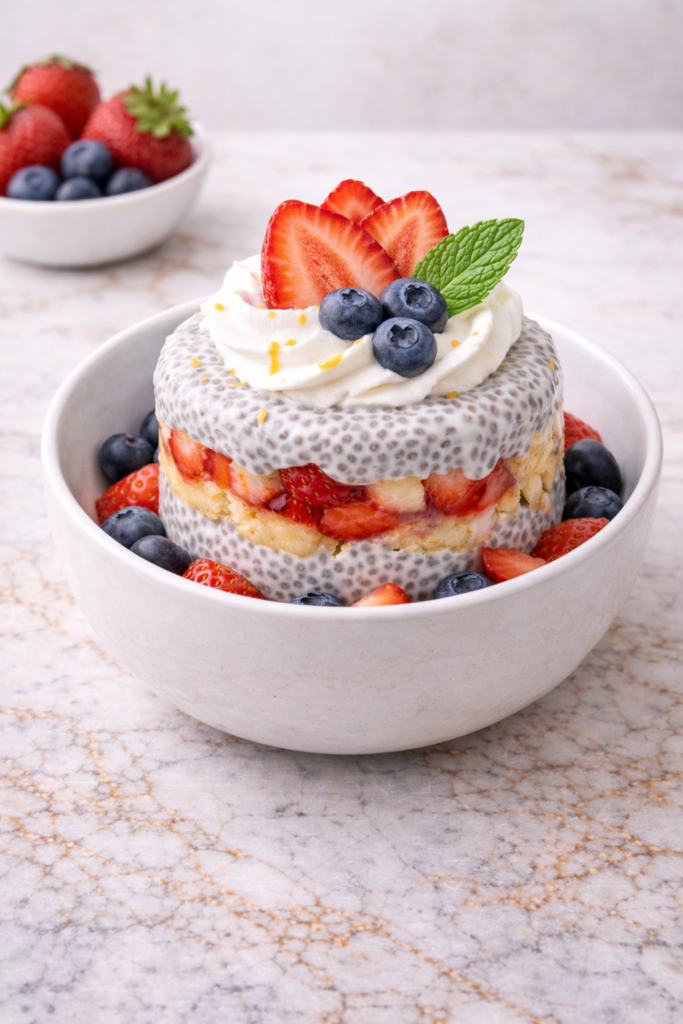
Try not to press the layers down too firmly. Light layers give the shortcake a softer, dessert-like feel while still showing the pretty fruit and pudding.
Step 9: Add the Topping
Top each serving with ½ cup whipped cream or vanilla Greek yogurt if using. Add extra sliced strawberries, blueberries, raspberries, or a light sprinkle of crushed shortcake crumbs.
Keep the topping simple so the creamy pudding and fruit stay the focus. A small spoonful is enough to make each jar feel special.
Step 10: Serve or Chill
Serve the chia seed pudding shortcake right away if you want the shortcake pieces to have the best texture. This gives you a nice mix of creamy pudding, juicy fruit, and soft cake.
If making jars for later, cover and refrigerate them until ready to eat. For the best result, add the final shortcake topping right before serving.
Serving Suggestions
Chia seed pudding shortcake makes a lovely breakfast when you want something sweet but still simple. Serve it in jars with extra fruit on top for an easy morning meal that feels fresh and filling.
It also works well as an afternoon snack. The chia pudding gives it a creamy, satisfying texture, while the fruit and shortcake make it feel like a small treat.
For dessert, serve the pudding shortcake in clear glasses so the layers show. A small spoonful of whipped cream on top makes it feel special without adding much extra work.
This recipe is also great for brunch. Place the chia pudding, fruit, shortcake pieces, and toppings in separate bowls so everyone can build their own serving.
For kids, make smaller portions in little cups. The layers make it fun to eat, and the shortcake pieces help make chia pudding feel more familiar.
You can also pack it for meal prep in jars. Keep the shortcake pieces separate in a small container if you want to add them right before eating.
Leftovers and Storage
Store leftover chia seed pudding shortcake in covered jars or airtight containers in the refrigerator. Once layered, it is best enjoyed within 2 days because the shortcake will continue to soften.
If you want the best texture, store each part separately. Keep the chia pudding in one container, the fruit in another, and the shortcake pieces in a sealed bag or container.
Chia pudding by itself keeps well for up to 5 days in the refrigerator. Stir it before serving, and add a splash of milk if it becomes thicker than you like.
The fruit layer is best within 1 to 2 days. Berries soften as they sit with lemon juice and sweetener, so use them while they still look fresh and juicy.
Freezing is not the best option for fully assembled chia seed pudding shortcake. The pudding can change texture after thawing, and the fruit may become watery.
Nutrition and Benefits
- Chia seeds add fiber: Chia seeds are naturally rich in fiber, which helps make the pudding feel more filling. This makes the recipe useful for breakfast, snacks, or a lighter dessert.
- Fruit brings natural sweetness: Strawberries, blueberries, raspberries, and other fruits add color, freshness, and juicy flavor. They help balance the creamy pudding and soft shortcake pieces.
- Easy to adjust for different diets: You can use dairy milk, almond milk, oat milk, coconut milk, or soy milk. This makes the recipe simple to adapt for your family’s needs.
- A helpful make-ahead option: The chia pudding thickens while it chills, so most of the work happens in the refrigerator. This makes mornings and snack times easier.
- Feels like a treat: The shortcake layer gives the recipe a dessert-like taste while keeping the base simple. It is a nice way to serve something fun without making a heavy dessert.
Recipe FAQ
Can I make chia seed pudding shortcake overnight?
Yes, you can make it overnight, especially the chia pudding. For the best texture, keep the shortcake pieces separate until serving. If you like a softer cake-like layer, you can assemble the jars the night before.
Why is my chia pudding too runny?
Chia pudding may be runny if it has not chilled long enough or if the seeds were not stirred well. Stir it again and let it chill longer. If needed, add 1 tablespoon chia seeds and refrigerate for another hour.
Can I use frozen fruit?
Yes, frozen fruit can work if fresh fruit is not available. Thaw it first and drain extra liquid so the layers do not become watery. Frozen fruit will be softer, but it still adds good flavor.
What kind of milk works best?
Whole milk makes the pudding creamy, while almond milk, oat milk, and coconut milk make it lighter or dairy-free. Use a milk your family already likes. The flavor of the milk will come through in the pudding.
Can I make this recipe dairy-free?
Yes, use non-dairy milk and skip the Greek yogurt or use a dairy-free yogurt. Choose a dairy-free shortcake, cake, or biscuit if needed. Coconut whipped cream also works well for topping.
How do I keep chia seeds from clumping?
Whisk the pudding well when you first mix it. Let it sit for 5 minutes, then whisk again before chilling. This second stir helps the chia seeds spread evenly and thicken smoothly.
Is chia seed pudding shortcake good for kids?
Yes, many kids enjoy it because it is creamy, sweet, and layered with fruit and cake. Smaller portions work well for younger children. If your child is new to chia pudding, start with a small serving so they can get used to the texture.
A Sweet Layered Treat for Easy Days
Chia seed pudding shortcake is creamy, fruity, and comforting while still being simple to prepare.
The chia pudding, juicy berries, and soft shortcake pieces come together in a way that works for breakfast, snack time, or a lighter dessert.
I love how easy it is to make ahead and adjust with fruit, milk, and toppings your family already enjoys.
It is dependable, fresh, and sweet enough to feel special, making it worth keeping in your regular rotation.