I’ve got to tell you about my Italian minestrone soup – it’s the ultimate comfort food when the weather turns chilly.
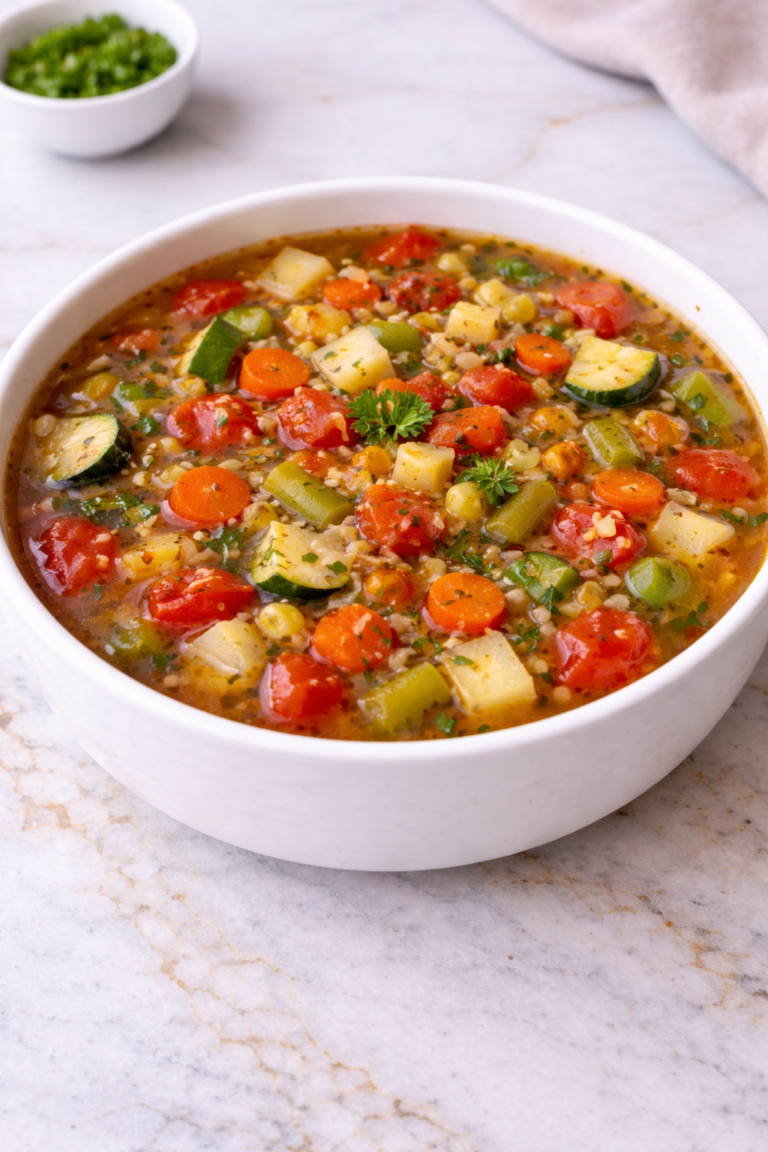
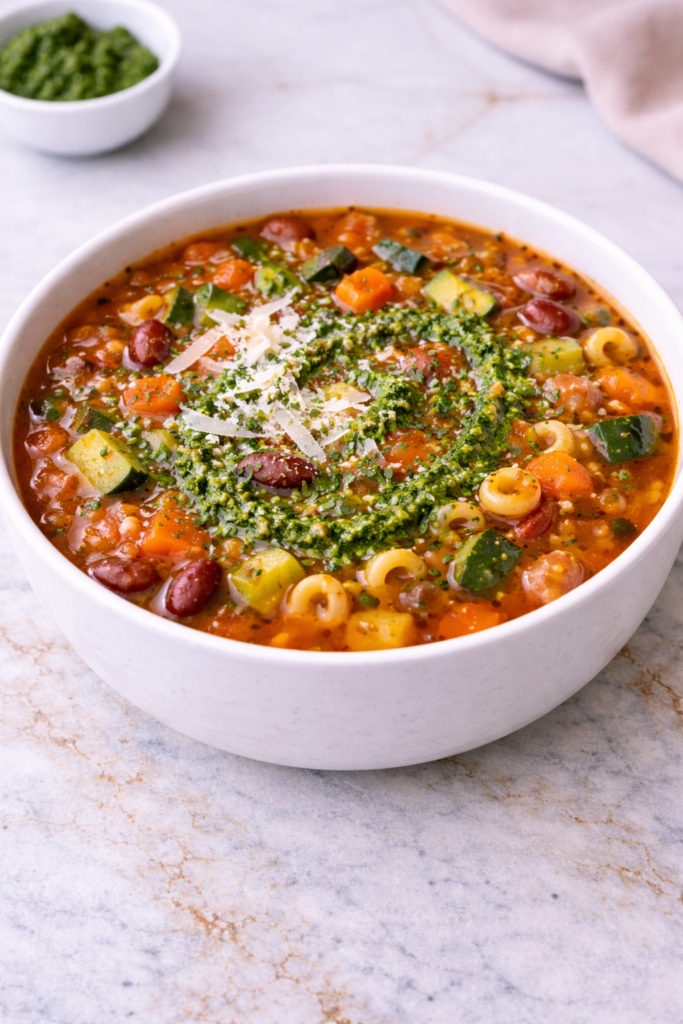
There’s something magical about a steaming bowl filled with colorful vegetables, tender pasta, and those hearty beans all swimming in rich, aromatic broth.
What makes this recipe special? It’s the Parmesan rind that infuses everything with incredible umami depth. And the beauty of minestrone is how forgiving it is – you can customize it countless ways. Curious about my secret ingredient?
Why You’ll Love this Italian Minestrone Soup
When the weather turns chilly, nothing warms you up quite like a steaming bowl of homemade minestrone soup.
I’m convinced this Italian classic will become your new comfort food obsession. It’s incredibly versatile—toss in whatever veggies are languishing in your crisper drawer—and still turns out delicious every time.
What’s not to love? It’s packed with nutritious vegetables, hearty beans, and tender pasta swimming in a rich, savory broth.
The secret? That Parmesan rind that melts slightly, infusing everything with umami goodness.
Perfect for meal prep, freezer-friendly, and even tastier the next day.
What Ingredients are in Italian Minestrone Soup?
Here’s everything you’ll need to whip up this cozy, crowd-pleasing Italian minestrone soup at home.
- 2 tablespoons olive oil
- 1 medium onion, diced
- 2 carrots, peeled and chopped
- 2 celery stalks, chopped
- 3 cloves garlic, minced
- 1 potato, cubed
- 1 zucchini, diced
- 1 cup green beans, trimmed and cut into 1-inch pieces
- 1 can (14.5 oz) diced tomatoes
- 6 cups vegetable broth
- 1 can (15 oz) cannellini or kidney beans, drained and rinsed
- 1/2 cup small pasta (like ditalini or elbow macaroni)
- 2 cups fresh spinach or kale, roughly chopped
- 2 bay leaves
- 1 Parmesan cheese rind (optional but highly recommended)
- 1 teaspoon dried oregano
- 1 teaspoon dried thyme
- Salt and pepper to taste
- Grated Parmesan cheese and crusty bread for serving
Feel free to customize this ingredient list based on what’s in season or what you have on hand—that’s the beauty of minestrone, it welcomes substitutions and still turns out delicious.
How to Make this Italian Minestrone Soup
Step 1: Sauté the Aromatics
Heat 2 tablespoons of olive oil in a large pot over medium heat, then add the diced medium onion, 2 chopped carrots, and 2 chopped celery stalks.
Cook these aromatics for about 5 minutes until they begin to soften, stirring occasionally.
Step 2: Add Garlic and Hard Vegetables
Toss in the 3 cloves of minced garlic and cook for another minute until fragrant.
Then add the cubed potato, which needs a longer cooking time than some of the other veggies.
Step 3: Incorporate Remaining Vegetables
Add the diced zucchini and 1 cup of trimmed green beans to the pot.
These vegetables give minestrone its garden-fresh flavor and wonderful texture that makes each spoonful slightly different from the last.
Step 4: Pour in Liquids and Add Seasonings
Pour in the 14.5 oz can of diced tomatoes with their juices and 6 cups of vegetable broth.
Drop in 2 bay leaves, the Parmesan rind (trust me, this makes all the difference), 1 teaspoon dried oregano, and 1 teaspoon dried thyme.
Step 5: Simmer the Soup
Bring everything to a gentle boil, then reduce the heat and let the soup simmer for about 15-20 minutes, allowing the flavors to meld together and the harder vegetables to soften.
The kitchen will smell absolutely divine at this point.
Step 6: Add Beans and Pasta
Stir in the drained and rinsed 15 oz can of cannellini or kidney beans and ½ cup of small pasta.
Continue to simmer until the pasta is tender, typically about 8-10 minutes, but check your pasta package for specific cooking times.
Step 7: Finish with Greens
Just before serving, stir in 2 cups of fresh spinach or kale and let it wilt into the hot soup.
Remove the bay leaves and Parmesan rind, then season with salt and pepper to taste.
Step 8: Serve and Garnish
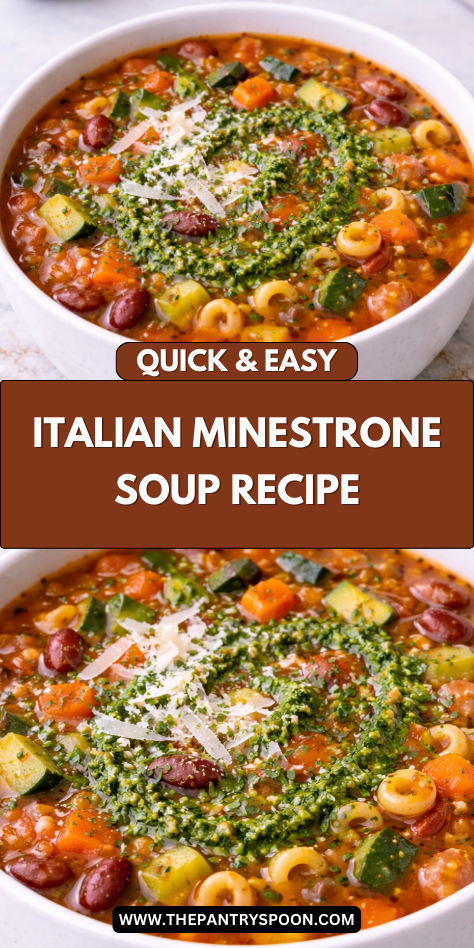
Ladle the hot soup into bowls and top with freshly grated Parmesan cheese.
Serve alongside crusty bread for dipping and soaking up all that flavorful broth.
A true Italian meal isn’t complete without bread to mop up every last drop.
For the best presentation and even cooking, serve your minestrone in premium baking dishes that retain heat beautifully throughout your meal.
What to Serve with Italian Minestrone Soup
This hearty minestrone is practically a meal on its own, but a few simple sides elevate it to dinner perfection.
A loaf of crusty Italian bread or garlic bread is non-negotiable—you’ll want something to soak up every last drop of that flavorful broth.
A simple green salad with a light vinaigrette provides a fresh counterpoint to the rich soup.
For something more substantial, try serving small sandwiches like grilled cheese or Italian panini alongside.
A glass of medium-bodied red wine (Chianti works beautifully) completes the meal in true Italian fashion.
And don’t forget extra freshly grated Parmesan for sprinkling on top—it’s amazing how much depth it adds to each spoonful.
Italian Minestrone Soup Substitutions and Variations
- Seasonal Twists: Add fresh basil and extra tomatoes in summer; switch to heartier root vegetables and kale in winter.
- Finishing Touches: A drizzle of good olive oil, fresh herbs, or a spoonful of pesto takes this humble soup into restaurant-worthy territory.
Leftovers and Storage for this Italian Minestrone Soup
This soup gets even better with time as the flavors meld together, making it perfect for meal prep.
Store leftovers in airtight containers in the refrigerator for up to 5 days.
For freezing, cool the soup completely first, then portion into freezer-safe containers, leaving some headspace for expansion.
It’ll keep well for up to 3 months.
The pasta tends to absorb liquid and soften over time. If you’re planning for leftovers, consider:
- Cooking and storing pasta separately
- Reheating gently on the stovetop with a splash of broth if needed
- Adding a fresh handful of greens when reheating for a brightness boost
Pro tip: A light grating of fresh Parmesan and drizzle of olive oil works wonders to refresh leftover servings.
Final Thoughts
This classic minestrone isn’t just soup—it’s a celebration of Italian cooking at its most genuine.
The magic happens as those humble vegetables, beans, and pasta meld together in a rich broth, creating something far greater than the sum of its parts.
It’s perfect for those shifting seasons when you crave something both nourishing and comforting, or when you need to feed a gathering without spending hours in the kitchen.
There’s something deeply satisfying about carrying on this centuries-old tradition, ladling steaming portions into bowls at your own table, watching faces light up with the first spoonful of this timeless Italian favorite.