I’ve always been drawn to recipes that tell a story, and Pennsylvania Dutch Fasnachts are like edible history. These tender, yeasty doughnuts aren’t your average sweet treat—they’re a cultural tradition with roots deep in pre-Lenten celebrations.
The subtle nutmeg warmth and chewy texture create something truly special when paired with morning coffee. While they may take a bit of patience to prepare, the technique is surprisingly straightforward.
Curious about what makes these heritage doughnuts different from the ones at your local shop?

Why You’ll Love these Pennsylvania Dutch Fasnachts
While many doughnuts leave you with a sugar crash an hour later, these traditional Pennsylvania Dutch fasnachts bring something special to your kitchen.
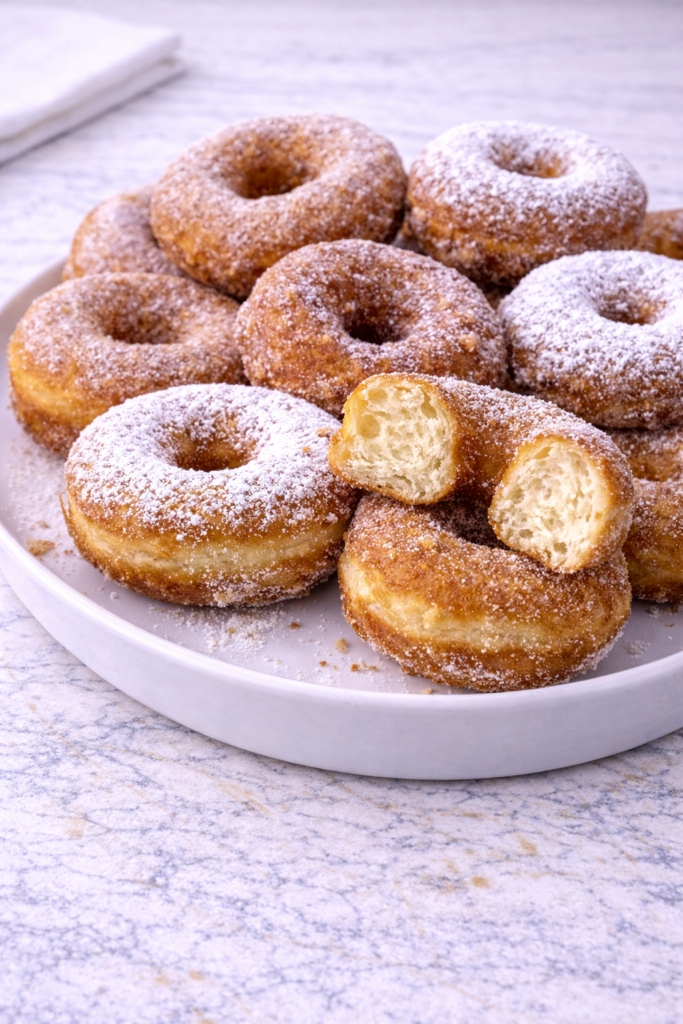
The yeast-risen dough creates a delightfully chewy texture that’s substantial without being heavy. I’m absolutely smitten with how versatile they are—dust them with powdered sugar for a classic touch, or roll them in cinnamon sugar for extra warmth.
What makes these truly special? Their subtle nutmeg flavor and the fact that they’re less sweet than modern doughnuts. Perfect with coffee, these pillowy treats honor the Pennsylvania Dutch tradition of using up pantry staples before Lent begins.
What Ingredients are in Pennsylvania Dutch Fasnachts?
Traditional Pennsylvania Dutch Fasnachts require simple pantry ingredients that come together to create something truly magical—a perfect balance of subtle sweetness and pillowy texture.
- 2 cups milk, scalded and cooled
- 4½ teaspoons active dry yeast
- ½ cup warm water
- ¼ cup unsalted butter, melted
- 2 teaspoons salt
- ¾ cup granulated sugar
- ¼ teaspoon nutmeg
- 2 large eggs
- 7½ cups all-purpose flour
- Canola oil, for frying
- Granulated, powdered, or cinnamon sugar, for coating
For the most authentic flavor profile, you might consider using lard instead of canola oil for frying, though this is completely optional for those who prefer a more modern approach to this timeless recipe.
How to Make these Pennsylvania Dutch Fasnachts
Step 1: Prepare the Yeast Mixture
Combine 4½ teaspoons active dry yeast with ½ cup warm water in a large bowl and let it sit until foamy, about 5 minutes.
This activation process guarantees your doughnuts will rise properly and become wonderfully fluffy.
Step 2: Mix the Wet Ingredients
Add 2 cups of scalded and cooled milk, ¼ cup melted unsalted butter, 2 teaspoons salt, ¾ cup granulated sugar, ¼ teaspoon nutmeg, and 2 large eggs to your yeast mixture.
Whisk everything together until completely combined and smooth.
Step 3: Form the Dough
Gradually stir in 7½ cups all-purpose flour until a soft dough forms.
The dough might seem a bit sticky at first, but trust me, it’ll come together beautifully as you work with it.
Step 4: Knead Until Smooth
Turn the dough onto a floured surface and knead for about 5-8 minutes until it becomes smooth and elastic.
A well-kneaded dough is essential for that signature Pennsylvania Dutch texture—not too dense, not too airy.
Step 5: Allow the Dough to Rise
Place your dough in a greased bowl, cover with a clean kitchen towel, and let it rise in a warm spot until doubled in size, approximately 1-2 hours.
Patience pays off here, as proper rising develops those complex flavors we’re after.
Step 6: Shape the Fasnachts
Roll the risen dough to about ½-inch thickness on a lightly floured surface, then cut into rounds using a doughnut cutter or two differently sized circular cutters.
Traditional fasnachts can be square or round, so don’t fret about perfect circles.
Step 7: Fry Until Golden
Heat canola oil (or lard for more traditional flavor) to about 350°F in a deep pot or fryer.
Carefully drop the dough rounds into the hot oil and fry until golden brown on both sides, about 2-3 minutes per side.
For consistent results with perfect golden-brown color every time, consider using a home donut maker professional instead of the traditional pot frying method.
Remember to change the oil if it starts to darken.
Step 8: Coat with Sugar
While still warm, toss your freshly fried fasnachts in your coating of choice—granulated sugar, powdered sugar, or cinnamon sugar all work beautifully.
The warm doughnut will help the sweet coating stick perfectly to create that signature sweet finish.
What to Serve with Pennsylvania Dutch Fasnachts
These pillowy, sweet doughnuts are traditionally enjoyed on Shrove Tuesday, but honestly, they’re delightful any morning you’re craving something special.
Try serving your fasnachts with a steaming mug of coffee or hot chocolate—the bitter notes balance the sweetness perfectly. For a truly Pennsylvania Dutch experience, serve them alongside a dollop of apple butter or maple syrup for dipping.
If you’re making these for breakfast, pair with fresh fruit to cut through the richness—sliced oranges or berries work wonderfully.
Some locals even enjoy them with a savory side of scrapple or bacon for that classic sweet-and-salty combo that makes breakfast so satisfying.
And remember, leftover fasnachts (if there are any!) make excellent afternoon snacks with a cold glass of milk.
Pennsylvania Dutch Fasnachts Substitutions and Variations
• Flour Options: Replace all-purpose with half whole wheat flour for a nuttier flavor.
For gluten-free, try a 1:1 gluten-free flour blend plus 1 tsp xanthan gum.
• Dairy Alternatives: Substitute milk with almond or oat milk.
Replace butter with coconut oil or vegan butter for dairy-free fasnachts.
• Sugar Swaps: Reduce sugar to 1/2 cup or use coconut sugar for a less refined option.
Monk fruit sweetener works for a lower-sugar version.
• Flavor Twists: Add 1 tsp cinnamon or cardamom to the dough.
Fold in 1 tbsp orange or lemon zest for citrus notes.
- Creative Coatings: Beyond traditional sugars, try maple sugar, apple pie spice mixed with sugar, or a simple glaze of powdered sugar and milk.
- Fat Choices: While lard is traditional, vegetable shortening works well.
Some bakers swear by adding 2 tbsp of mashed potato for extra tenderness.
Leftovers and Storage for these Pennsylvania Dutch Fasnachts
Fasnachts are best enjoyed fresh and warm, but they’ll keep for 1-2 days at room temperature in an airtight container.
For longer storage, refrigerate in a sealed container for up to 5 days.
To freeze, place cooled fasnachts in a single layer on a baking sheet until firm, then transfer to freezer bags for up to 3 months.
To reheat, warm room-temperature fasnachts in a 350°F oven for 3-5 minutes.
From frozen, thaw at room temperature, then warm in the oven. Microwaving works in a pinch but may make them slightly chewy.
Pro tip: If they’ve lost their crispness, a quick 1-2 minute toast in the oven will revive that delightful texture.
The sugar coating might need revitalizing after storage—simply toss in a little more sugar before serving.
Final Thoughts
These Pennsylvania Dutch Fasnacht doughnuts represent more than just a sweet indulgence—they’re a meaningful cultural tradition with deep roots.
The combination of that golden, crisp exterior giving way to a tender, nutmeg-scented interior creates something truly special. While traditionally made for Fat Tuesday to use up pantry staples before Lent begins, these delightful treats deserve a spot in your kitchen any time you crave something homemade and heartwarming.
There’s something undeniably comforting about the ritual of making dough from scratch, watching it rise, and transforming it into these pillowy rounds that bring people together around the table.