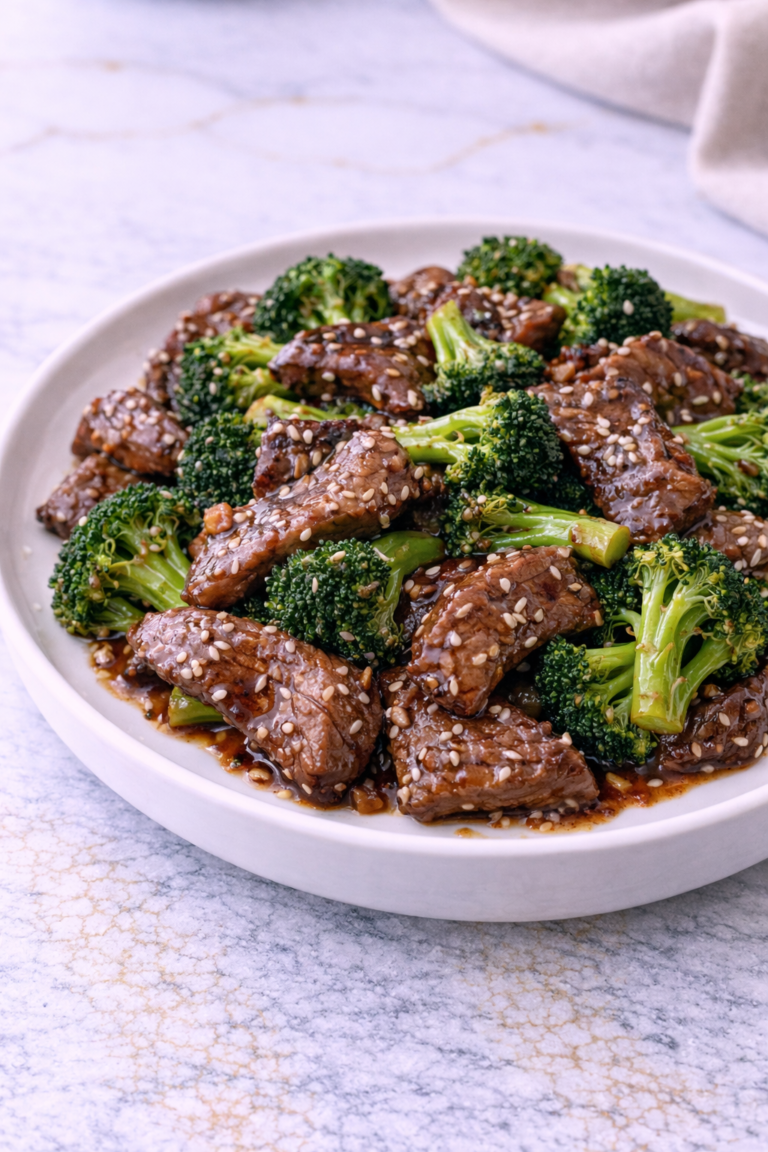
I’m about to share my absolute favorite winter comfort food with you—a slow-cooked beef stew that practically melts in your mouth.
There’s something magical about the transformation that happens when tough beef chunks simmer for hours, soaking up rich flavors and becoming fork-tender.
The beauty lies in its simplicity: toss everything in, walk away, and return to a kitchen filled with mouthwatering aromas. Want to know the secret ingredient that takes this from good to can’t-stop-eating-it amazing?

Why You’ll Love this Slow-Cooked Beef Stew
Why does beef stew deserve a permanent spot in your dinner rotation?
I’m convinced it’s the ultimate comfort food that practically cooks itself. The magic happens when those tough beef chunks transform into melt-in-your-mouth morsels after their slow-cooked journey.
Trust me, nothing beats walking through your door to that rich, savory aroma that’s been developing for hours. It’s like getting a warm hug after a long day.
Plus, it’s practically foolproof. Toss everything in, walk away, come back to dinner. No babysitting required. One pot, minimal effort, maximum flavor.
What Ingredients are in Slow-Cooked Beef Stew?
To make this hearty crockpot beef stew, you’ll need simple, flavorful ingredients that transform into something magical during the slow cooking process.
- 2 pounds beef chuck, cut into cubes
- 2 tablespoons olive oil
- 1 onion, chopped
- 4 cloves garlic, minced
- 3 carrots, cut into chunks
- 1 pound potatoes, diced
- 3 stalks celery, chopped
- 3 cups beef broth
- 2 tablespoons tomato paste
- 1 tablespoon Worcestershire sauce
- 2 bay leaves
- Salt and pepper to taste
Don’t forget that you can customize this recipe by adding frozen peas in the last 15 minutes of cooking, or thicken the stew with a cornstarch slurry if you prefer a more gravy-like consistency.
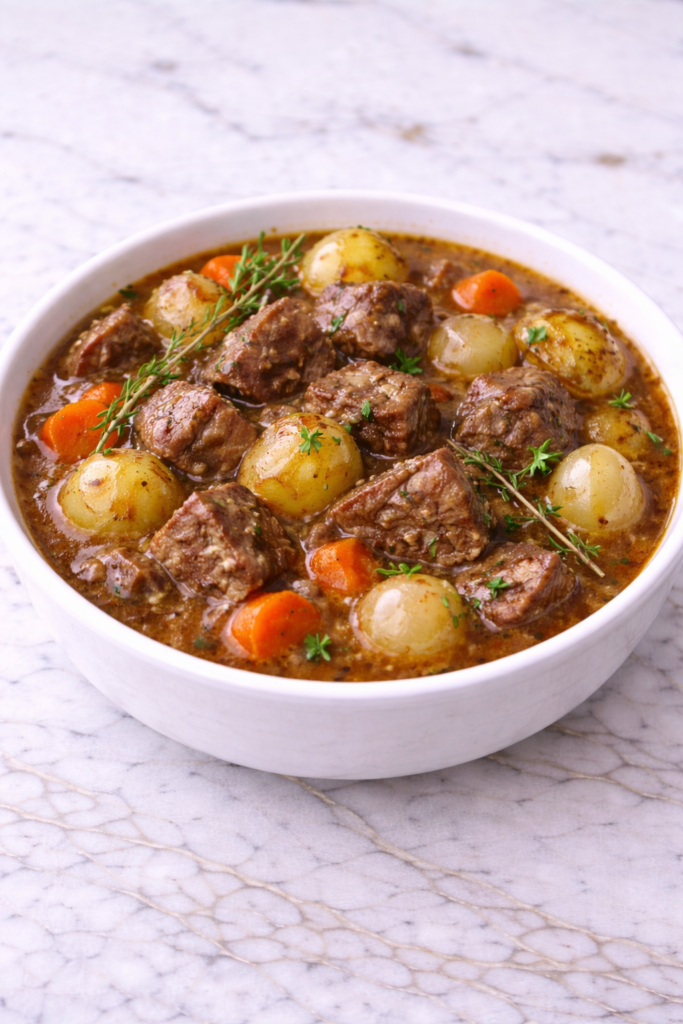
How to Make this Slow-Cooked Beef Stew
Step 1
Heat 2 tablespoons of olive oil in a large skillet over medium-high heat.
Add the 2 pounds of cubed beef chuck and brown it on all sides, working in batches if necessary to avoid overcrowding the pan. This searing process creates a beautiful flavor foundation for our stew.
Step 2: Prepare the Vegetables
While the beef is browning, chop 1 onion, mince 4 cloves of garlic, cut 3 carrots into chunks, dice 1 pound of potatoes, and chop 3 stalks of celery.
The chunky vegetables will hold their shape during the long cooking process and give the stew that rustic texture we’re looking for.
Step 3: Transfer to Crockpot
After the beef is browned, transfer it to your crockpot.
Using a premium slow cooker will ensure even heat distribution throughout the cooking process for perfectly tender meat.
No need to rinse the skillet—those browned bits are flavor gold that we don’t want to waste.
Step 4: Add Remaining Ingredients
Add all the chopped vegetables to the crockpot along with 3 cups of beef broth, 2 tablespoons of tomato paste, and 1 tablespoon of Worcestershire sauce.
Drop in 2 bay leaves and season with salt and pepper to taste.
Step 5: Set and Forget
Cover the crockpot and set it to cook on low for 8-10 hours.
The slow cooking process allows the beef to become incredibly tender and the flavors to meld together beautifully.
Step 6: Optional Additions
About 15 minutes before serving, you can add frozen peas for a pop of color and sweetness.
If you prefer a thicker stew, now’s the time to stir in a cornstarch slurry (1-2 tablespoons cornstarch mixed with equal parts cold water).
Step 7: Final Touches
Just before serving, remove the bay leaves from the stew.
Give everything a gentle stir, taste, and adjust the seasoning with additional salt and pepper if needed.
What to Serve with Slow-Cooked Beef Stew
This hearty beef stew is a complete meal on its own, but a few simple sides can turn it into a feast. Crusty French bread or buttery dinner rolls are perfect for sopping up that rich gravy—honestly, isn’t that the best part?
A crisp green salad with a light vinaigrette provides a rejuvenating contrast to the savory depth of the stew.
For drinks, nothing beats a robust red wine like Cabernet Sauvignon or Merlot to complement those beefy flavors. On chillier evenings, you might prefer hot apple cider or a dark beer.
This comfort food classic works beautifully for dinner and makes fantastic leftovers for lunch the next day, as the flavors deepen overnight in the fridge.
Slow-Cooked Beef Stew Substitutions and Variations
This stew is wonderfully adaptable to what you have on hand or dietary needs:
- Meat options: Try lamb shoulder or venison for a gamier flavor, or use chicken thighs for a lighter version.
- Veggie swaps: Parsnips, turnips, or sweet potatoes can replace regular potatoes. No celery? Try fennel bulb for a similar crunch.
- Gluten-free needs: Check your Worcestershire sauce (some contain gluten) or substitute with tamari and a touch of vinegar.
- Vegetarian/vegan: Replace beef with mushrooms (portobello or cremini) and use vegetable broth instead of beef broth.
- Flavor boosters: Add red wine (½ cup), fresh herbs (rosemary, thyme), or smoked paprika for depth.
- Seasonal twists: Stir in butternut squash in fall, or fresh peas and asparagus tips in spring.
- Garnish ideas: Fresh parsley, grated parmesan, or a dollop of sour cream brightens each bowl.
Leftovers and Storage for this Slow-Cooked Beef Stew
This hearty beef stew actually tastes even better the next day after all those flavors have had time to mingle and deepen—one of those magical dishes that improves with patience.
Store leftovers in airtight containers in the refrigerator for up to 4 days. For longer storage, freeze portions in freezer-safe containers for up to 3 months. Just be sure to cool the stew completely before refrigerating or freezing.
When reheating, warm gently on the stovetop over medium-low heat, adding a splash of beef broth if needed to revive the consistency. Microwaving works in a pinch, but use 70% power with occasional stirring to prevent the vegetables from becoming mushy.
The potatoes might absorb some liquid overnight, so don’t be surprised if you need to thin the stew slightly when reheating—it’s just getting cozier with time.
Final Thoughts
This crockpot beef stew represents everything wonderful about slow-cooked comfort food. The magic happens as the chuck beef transforms from tough to fork-tender, while vegetables meld with rich broth into something far greater than their parts.
It’s perfect for busy weekday mornings—just prep, set, and return home to dinner that’s practically made itself. Make this on chilly autumn Sundays when you want the house filled with mouthwatering aromas, or anytime you need a meal that feeds both a crowd and the soul.
There’s something deeply satisfying about knowing generations before us have found comfort in these same simple ingredients, simmered low and slow into pure culinary comfort.