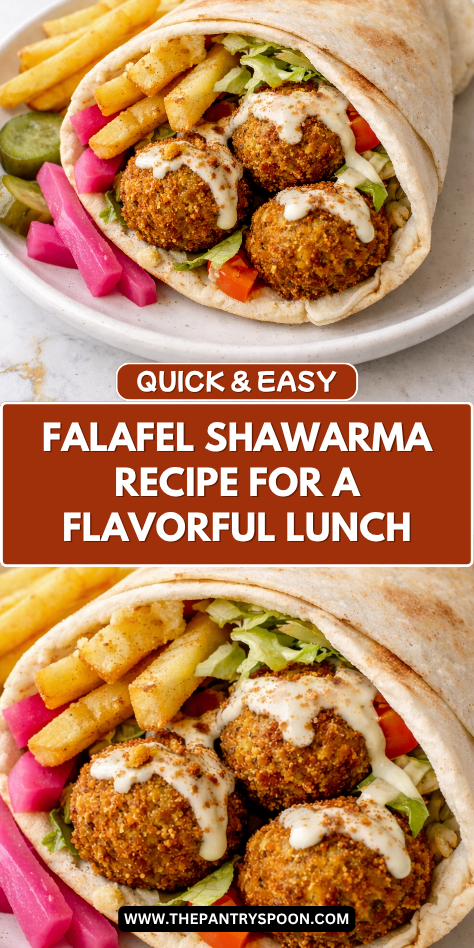
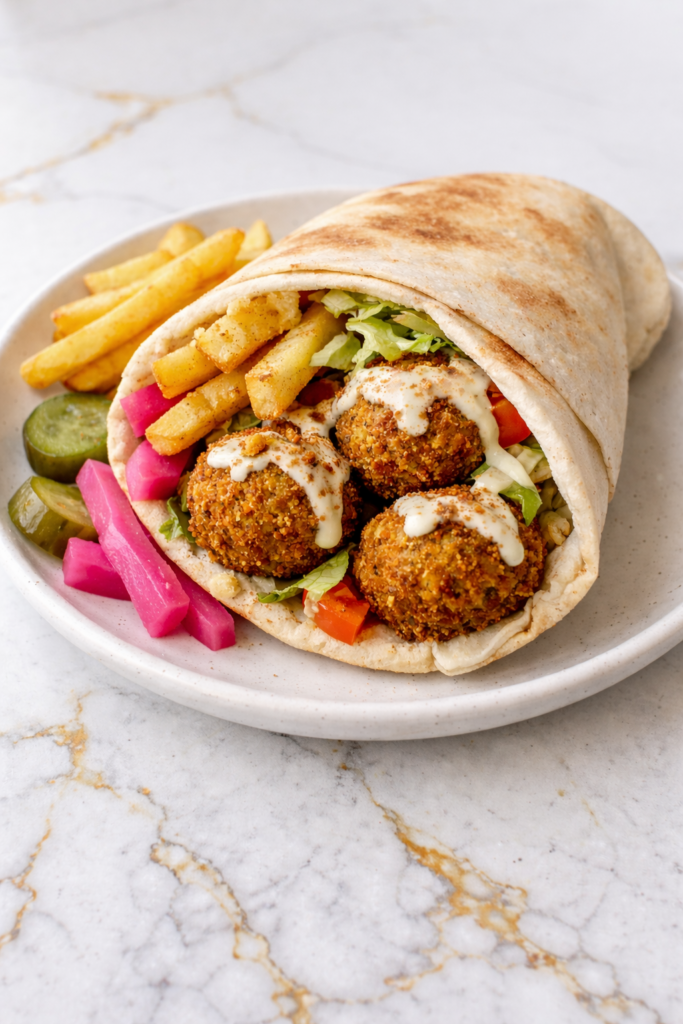
I made falafel shawarma at home for the first time when I was craving something from my favorite Mediterranean spot but didn’t want to go out.
Getting the falafel right took me a few tries — the texture, the seasoning, the way it holds together — but once I landed on the right method it became one of my most made recipes.
Wrapped up with shawarma spiced vegetables, fresh herbs, and a good sauce, it comes together into something that feels complete and satisfying.
I’ll walk you through the falafel mix, the vegetables, and how to assemble everything so every bite has the right balance. It’s a meal that takes a little more effort but is absolutely worth it.
Why You’ll Love This Recipe
Falafel shawarma is packed with flavor, texture, and color, making it a satisfying option for both weeknight dinners and casual gatherings. The crispy falafel pairs beautifully with creamy sauces and fresh vegetables, creating a balanced bite every time.
This recipe is also incredibly versatile and family-friendly, allowing everyone to assemble their own wrap based on their preferences. Whether you like extra sauce, more crunch, or a lighter filling, it’s easy to adapt without extra effort.
Another reason to love this dish is how wholesome and filling it is without relying on meat. It’s a great way to serve something nourishing that still feels indulgent and exciting.
Serves: 4 people
This recipe comfortably serves four people, making it perfect for a family dinner or small gathering. You can easily double the ingredients if you’re feeding a crowd or want leftovers for lunches throughout the week.
Ingredients You’ll Need
For the falafel:
- 1 1/2 cups dried chickpeas (soaked overnight, not canned)
- 1/2 cup fresh parsley
- 1/4 cup fresh cilantro
- 1 small onion, roughly chopped
- 3 cloves garlic
- 1 teaspoon ground cumin
- 1 teaspoon ground coriander
- 1/2 teaspoon paprika
- 1/2 teaspoon baking soda
- 1/2 teaspoon salt
- 1/4 teaspoon black pepper
- 2–3 tablespoons all-purpose flour
- Oil for frying
For the shawarma assembly:
- 4 pita breads or flatbreads
- 1 cup shredded lettuce
- 1 cup diced tomatoes
- 1/2 cup sliced cucumbers
- 1/4 cup red onion, thinly sliced
For the garlic yogurt sauce:
- 1/2 cup Greek yogurt
- 1 tablespoon lemon juice
- 1 clove garlic, minced
- 1 tablespoon olive oil
- Pinch of salt
Pro Tips
Soaking dried chickpeas overnight is essential for authentic falafel texture, as canned chickpeas will make the mixture too soft. Plan ahead so you get that perfect crispy outside and tender inside.
Avoid adding too much flour to the falafel mixture, as this can make the texture dense instead of light. The mixture should hold together when pressed but still feel slightly coarse.
Chill the falafel mixture for at least 30 minutes before shaping to help it firm up. This step makes frying easier and helps the falafel keep their shape.
When frying, make sure the oil is hot enough before adding the falafel. If the oil is too cool, they can absorb excess oil and become greasy.
Let family members build their own wraps to make mealtime more interactive and enjoyable. This is especially helpful for kids who like to choose their own toppings.
Warm the pita or flatbread slightly before assembling to make it more pliable and easier to wrap. This small step makes a big difference in texture and overall experience.
Tools You’ll Need
- Food processor
- Large mixing bowl
- Deep frying pan or pot
- Slotted spoon
- Paper towels
- Knife
- Cutting board
- Measuring cups and spoons
- Small mixing bowl
Substitutions and Variations
If you prefer baking instead of frying, you can bake the falafel at 400°F (200°C) until golden and crisp, flipping halfway through. While the texture is slightly different, it’s still delicious and a bit lighter.
For a gluten-free option, swap the all-purpose flour with chickpea flour or a gluten-free blend. This keeps the falafel binding well without changing the flavor significantly.
You can switch up the sauce by using tahini sauce instead of yogurt for a dairy-free version. It adds a nutty richness that pairs beautifully with the spices in the falafel.
Add pickled vegetables like turnips or cucumbers for extra tang and crunch. This small addition brings a more traditional shawarma flavor profile.
For extra protein or variety, you can add grilled halloumi or roasted vegetables alongside the falafel. This makes the wraps even more filling and satisfying without complicating the recipe.
Make Ahead Tips
Falafel shawarma is a great recipe to prepare in stages, making it easier to serve on busy days. You can soak the chickpeas and prepare the falafel mixture up to two days in advance, keeping it covered in the refrigerator until ready to use.
The garlic yogurt sauce can also be made ahead and stored in an airtight container for up to three days. This allows the flavors to deepen and gives you one less step to worry about during mealtime.
You can also chop all the vegetables ahead of time and store them separately in the fridge. Keeping everything prepped and ready makes assembly quick and stress-free when it’s time to eat.
Instructions
Step 1: Soak the Chickpeas
Place the dried chickpeas in a large bowl and cover them with plenty of water. Let them soak overnight or for at least 12 hours until they have doubled in size and softened slightly.
Drain and rinse the chickpeas thoroughly before using them in the recipe. Proper soaking ensures the falafel has the right texture and cooks evenly.
Step 2: Prepare the Falafel Mixture
Add the soaked chickpeas, parsley, cilantro, onion, garlic, cumin, coriander, paprika, baking soda, salt, and pepper to a food processor. Pulse the mixture until it is finely ground but still slightly coarse, not completely smooth.
Transfer the mixture to a bowl and stir in the flour one tablespoon at a time until it holds together when pressed. Cover and refrigerate for at least 30 minutes to firm up.
Step 3: Shape the Falafel
Once chilled, scoop out small portions of the mixture and shape them into balls or small patties. Keep the sizes consistent to ensure even cooking.
Place the shaped falafel on a tray as you work, making sure they don’t stick together. This step helps streamline the frying process.
Step 4: Fry the Falafel
Heat oil in a deep pan over medium heat until it reaches about 350°F (175°C). Carefully add the falafel in batches, frying them for 3–4 minutes until golden brown and crispy on the outside.
Use a slotted spoon to remove the falafel and transfer them to a paper towel-lined plate. Allow excess oil to drain while keeping them warm for assembly.
Step 5: Prepare the Sauce
In a small bowl, whisk together the Greek yogurt, lemon juice, minced garlic, olive oil, and salt. Mix until smooth and creamy.
Taste and adjust the seasoning if needed, adding a little more lemon juice for brightness or salt for balance. Refrigerate until ready to use.
Step 6: Assemble the Shawarma
Warm the pita breads or flatbreads slightly to make them soft and pliable. Lay each one flat and add a layer of lettuce, tomatoes, cucumbers, and sliced red onion.
Top with several falafel pieces and drizzle generously with the garlic yogurt sauce. Fold or wrap the bread tightly and serve immediately.
Serving Suggestions
Falafel shawarma is best served fresh and warm, allowing all the textures to shine together. Pair it with a side of crispy fries or roasted potatoes for a more filling and satisfying meal.
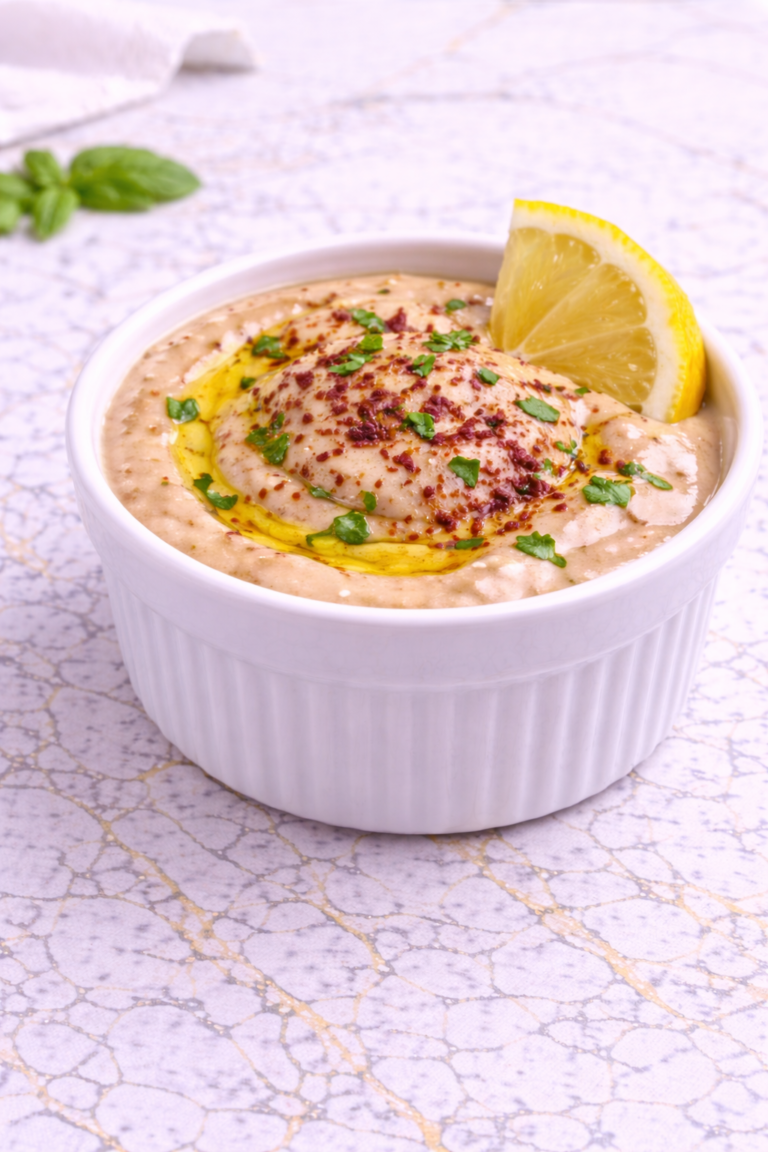
It also goes wonderfully with a light side salad or a bowl of hummus for dipping. Serving it alongside pickled vegetables or olives adds a bright, tangy contrast that enhances the overall flavor.
For family-style meals, set everything out and let everyone build their own wraps. This creates a relaxed and interactive dining experience that works especially well for gatherings.
Leftovers and Storage
Leftover falafel can be stored in an airtight container in the refrigerator for up to three days. To maintain their texture, reheat them in the oven or air fryer rather than the microwave, which can make them soft.
The falafel mixture can also be frozen before cooking for longer storage. Shape the falafel, freeze them on a tray until solid, and then transfer to a freezer-safe container for up to one month.
Store the vegetables and sauce separately to keep everything fresh and crisp. When ready to enjoy again, simply reheat the falafel and assemble fresh wraps.
Avoid storing assembled shawarma wraps, as the bread can become soggy over time. Keeping components separate ensures the best quality when serving leftovers.
Nutrition and Benefits
- Chickpeas are a great source of plant-based protein and fiber, helping keep you full and energized.
- Fresh herbs like parsley and cilantro provide vitamins and antioxidants that support overall wellness.
- This recipe is naturally vegetarian and can easily be made dairy-free, making it suitable for a variety of diets.
- Using fresh vegetables adds important nutrients and a refreshing balance to the rich falafel.
- Homemade sauces allow you to control ingredients and reduce unnecessary additives while enhancing flavor.
Recipe FAQ
Can I use canned chickpeas instead of dried?
Canned chickpeas are not recommended for traditional falafel because they are too soft and can result in a mushy texture. Dried chickpeas that have been soaked provide the ideal consistency for shaping and frying. If using canned, expect a softer result and adjust carefully.
How do I keep falafel from falling apart?
Ensuring the mixture is not too wet is key to preventing falafel from breaking apart. Chilling the mixture and adding just enough flour to bind it helps maintain structure. Proper oil temperature also plays an important role.
Can I bake or air fry the falafel?
Yes, you can bake or air fry falafel for a lighter option. Bake at 400°F (200°C) or air fry until golden and crisp, flipping halfway through. The texture will be slightly different but still delicious.
What other sauces can I use?
Tahini sauce is a popular alternative that adds a nutty and rich flavor. You can also try hummus, spicy harissa sauce, or even a simple lemon-tahini dressing. Each option brings a unique twist to the dish.
Is this recipe kid-friendly?
Yes, falafel shawarma is very family-friendly because everyone can customize their wrap. You can keep toppings simple for kids or serve components separately. The crispy texture and mild spices are usually well received.
Can I freeze cooked falafel?
Cooked falafel can be frozen, but they are best when fresh. If freezing, let them cool completely before storing in a freezer-safe container. Reheat in the oven or air fryer for best texture.
What type of bread works best?
Pita bread is the most traditional choice, but any soft flatbread works well. You can also use wraps or even serve the falafel in a bowl without bread. The key is choosing something soft enough to hold the fillings comfortably.
Conclusion
Falafel shawarma is a comforting and flavorful recipe that brings ease and excitement to everyday meals. It’s simple to prepare, flexible for different preferences, and delivers reliable results that the whole family can enjoy.
With its combination of crispy falafel, fresh toppings, and creamy sauce, it’s a meal that feels both wholesome and satisfying. It’s a recipe worth making again and again for its consistency, versatility, and comforting appeal.