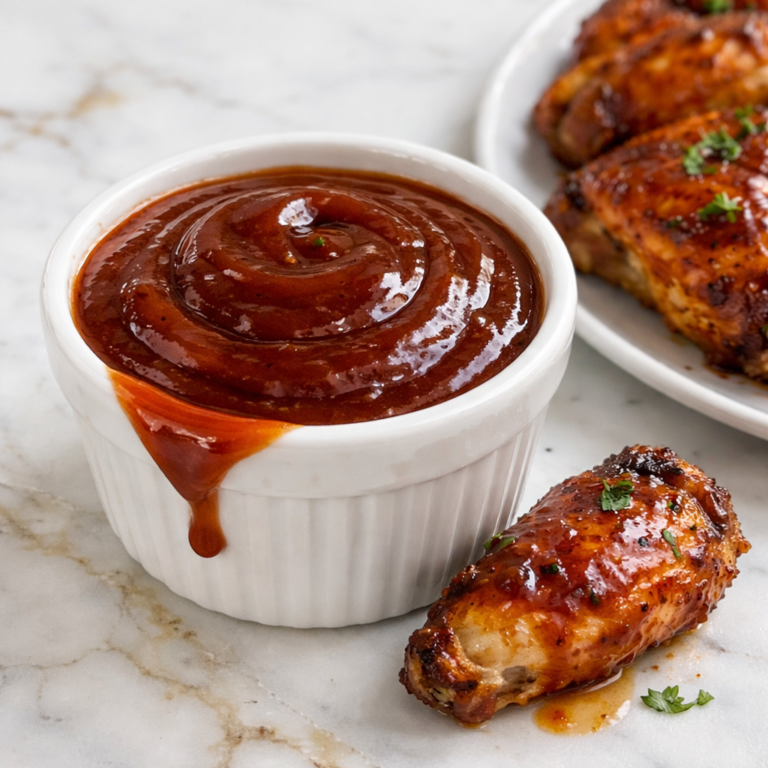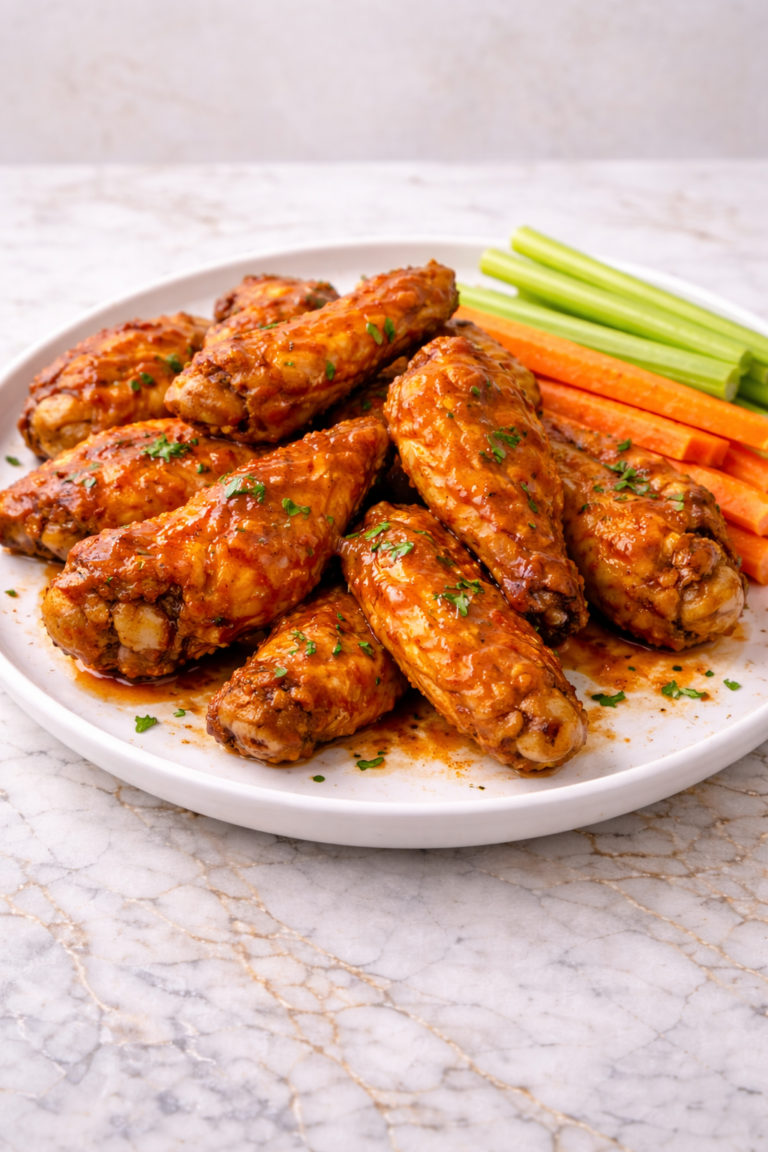
I make teriyaki sauce when I want a quick way to bring sweet, savory flavor to a meal without a lot of extra work. It is one of those simple sauces that can make chicken, salmon, rice bowls, noodles, meatballs, or vegetables taste more complete.
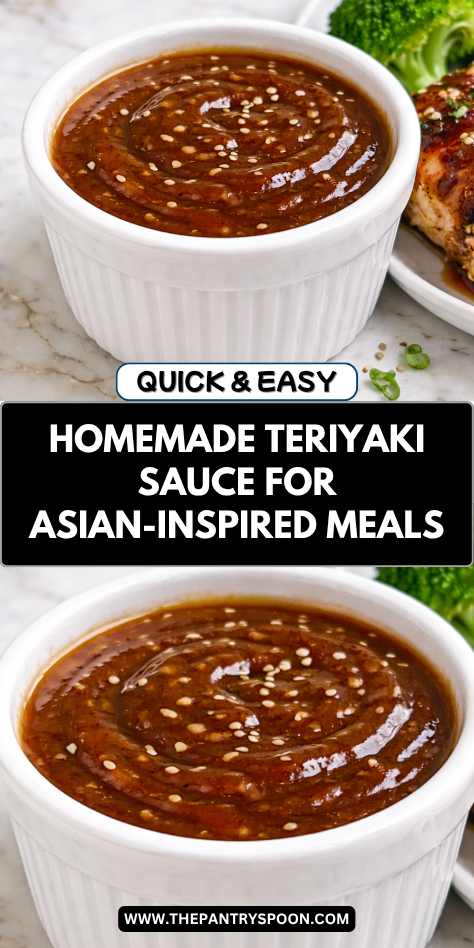
This homemade version is smooth, glossy, and easy to adjust for your family. I like that it uses pantry ingredients, cooks in one small saucepan, and gives dinner that warm takeout-style flavor while still feeling homemade and dependable.
Why You’ll Love This Recipe
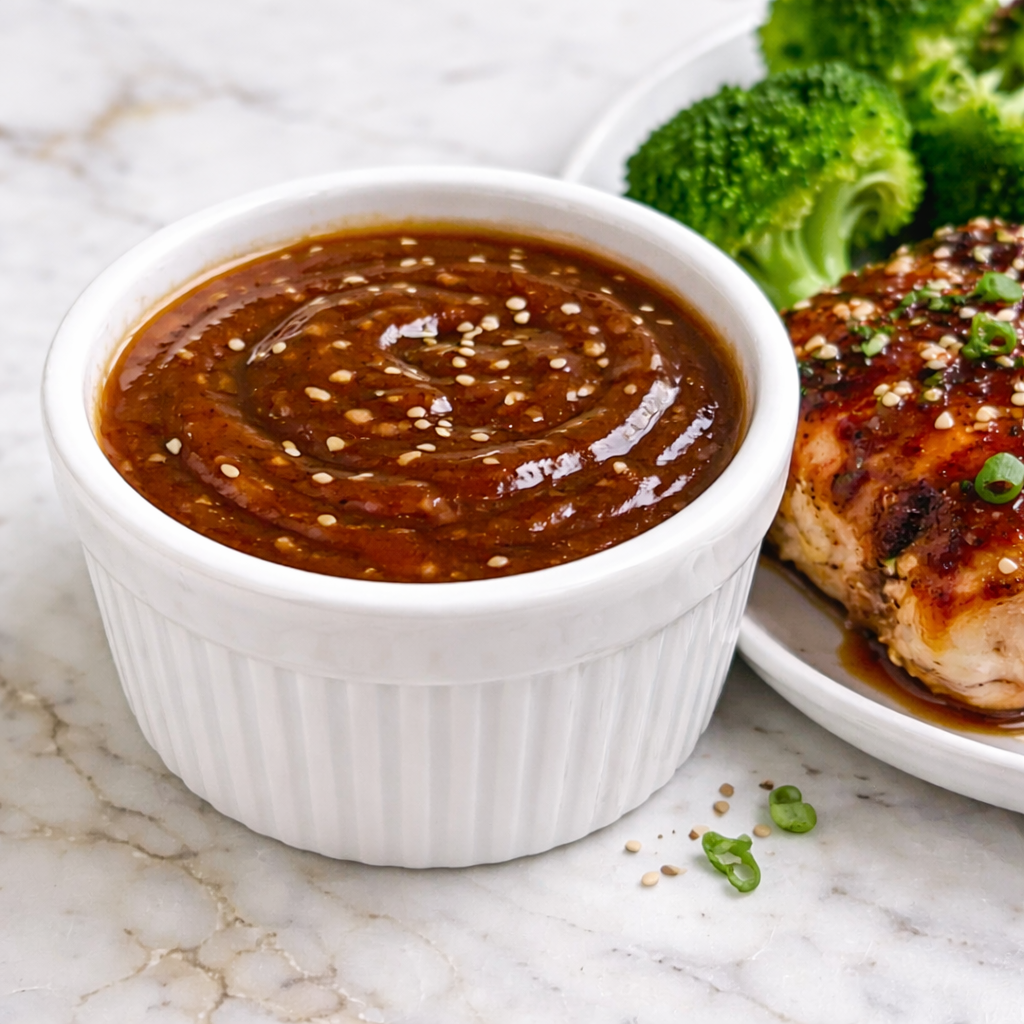
Teriyaki sauce is sweet, salty, and savory with a gentle ginger and garlic flavor. It has that glossy texture that coats food beautifully, whether you are brushing it over grilled chicken, spooning it onto rice, or tossing it with stir-fried vegetables.
This recipe is also very beginner-friendly. You whisk the ingredients together, simmer the sauce, thicken it with a simple cornstarch slurry, and let it cool slightly before using.
Families love this sauce because it works with so many meals. You can make it mild for kids, add a little heat for adults, or keep a jar in the refrigerator for fast weeknight dinners.
Serves: 10 people
This recipe makes about 1 ½ cups of teriyaki sauce, which is enough for around 10 servings. The serving size depends on how you use it, since a drizzle over rice bowls takes less than tossing it with chicken, noodles, or vegetables.
Ingredients You’ll Need
For the Teriyaki Sauce
- ½ cup low-sodium soy sauce
- ½ cup water
- ⅓ cup packed light brown sugar
- 2 tablespoons honey
- 2 tablespoons mirin, optional
- 1 tablespoon rice vinegar
- 1 tablespoon sesame oil
- 2 garlic cloves, finely minced
- 1 teaspoon fresh ginger, grated
- ½ teaspoon onion powder
- ¼ teaspoon black pepper
For Thickening
- 1 tablespoon cornstarch
- 2 tablespoons cold water
Optional Garnishes and Add-Ins
- 1 teaspoon toasted sesame seeds
- 1 tablespoon sliced green onions
- ¼ teaspoon crushed red pepper flakes, optional for heat
- 1 teaspoon orange zest, optional for a citrus note
- 1 tablespoon pineapple juice, optional for extra sweetness
Pro Tips
Use low-sodium soy sauce if possible. Regular soy sauce can make the sauce taste too salty after it simmers and thickens, especially if you plan to use it as a glaze.
Mix the cornstarch with cold water before adding it to the hot sauce. This keeps the cornstarch from clumping and helps the teriyaki sauce become smooth and glossy.
Simmer the sauce gently instead of boiling it hard. A steady simmer helps the sugar dissolve and the garlic and ginger soften without making the sauce reduce too quickly.
Taste the sauce after it thickens. The flavor becomes stronger as it cooks, so it is better to adjust sweetness, saltiness, or tang near the end.
Use fresh garlic and ginger when you can. They give the sauce a brighter, warmer flavor than dried spices, though dried options can still work in a pinch.
Let the sauce cool for a few minutes before using it as a glaze. It thickens slightly as it sits, which helps it cling better to chicken, salmon, tofu, vegetables, or meatballs.
Tools You’ll Need
- Small saucepan
- Measuring cups
- Measuring spoons
- Whisk
- Wooden spoon or silicone spatula
- Small bowl for cornstarch slurry
- Garlic press or sharp knife
- Microplane or fine grater
- Heat-safe jar or airtight container
- Funnel, optional
- Basting brush, optional
Substitutions and Variations
Use Tamari Instead of Soy Sauce
Tamari can be used in place of soy sauce if you need a gluten-free option. Choose a low-sodium tamari if possible so the finished sauce does not become too salty.
Make It Less Sweet
Reduce the brown sugar to ¼ cup and skip the honey if your family prefers a more savory sauce. The sauce will still have classic teriyaki flavor, but it will taste lighter and less sticky.
Add a Pineapple Twist
Stir in 1 tablespoon pineapple juice for a fruity sweetness. This works especially well with chicken, pork, shrimp, rice bowls, and grilled vegetables.
Make It Spicy
Add crushed red pepper flakes, a small spoonful of chili garlic sauce, or a few drops of sriracha. Start with a little so the sauce stays balanced and family-friendly.
Give It a Citrus Flavor
Add 1 teaspoon orange zest or a small splash of orange juice near the end of cooking. The citrus makes the sauce taste fresh and bright while keeping the sweet and savory teriyaki flavor recognizable.
Make Ahead Tips
Teriyaki sauce is a great make-ahead recipe because it keeps well and works with so many meals. I like to make a small jar at the start of the week so I can use it for chicken, salmon, rice bowls, noodles, stir-fries, or quick lunches.
You can make the sauce up to 1 week ahead and store it in an airtight jar in the refrigerator. Let it cool completely before sealing the jar so steam does not collect inside and thin the sauce.
If the sauce thickens too much after chilling, warm it gently and stir in 1 to 2 teaspoons of water. This brings it back to a smooth, pourable texture without changing the flavor too much.
You can also measure the ingredients ahead of time for faster cooking. Keep the soy sauce, water, brown sugar, honey, mirin, vinegar, sesame oil, garlic, ginger, onion powder, and pepper ready, then cook the sauce when you need it.
For freezer prep, pour cooled sauce into small freezer-safe containers. Freeze for up to 3 months, thaw overnight in the refrigerator, and stir well before reheating.
Instructions
Step 1: Add the Sauce Ingredients
Place a small saucepan on the stove, but do not turn on the heat yet. Add ½ cup low-sodium soy sauce, ½ cup water, ⅓ cup packed light brown sugar, 2 tablespoons honey, 2 tablespoons mirin if using, 1 tablespoon rice vinegar, and 1 tablespoon sesame oil.
Whisk the ingredients until the sugar begins to dissolve. The mixture will look thin at first, but it will thicken later with the cornstarch slurry.
Step 2: Add Garlic, Ginger, and Seasonings
Add 2 finely minced garlic cloves, 1 teaspoon grated fresh ginger, ½ teaspoon onion powder, and ¼ teaspoon black pepper to the saucepan. Whisk again so the garlic and ginger are spread evenly through the liquid.
Fresh garlic and ginger give the sauce a warm, homemade flavor. If your family likes a milder sauce, use a little less ginger or strain the sauce after cooking.
Step 3: Warm the Sauce
Turn the heat to medium and bring the sauce to a gentle simmer. Stir often so the brown sugar and honey dissolve fully.
Do not let the sauce boil too hard. A gentle simmer helps the garlic and ginger soften while keeping the sauce smooth and balanced.
Step 4: Make the Cornstarch Slurry
In a small bowl, stir together 1 tablespoon cornstarch and 2 tablespoons cold water. Mix until the cornstarch is fully dissolved and there are no dry lumps.
Use cold water for this step because warm water can make the cornstarch clump. A smooth slurry is what gives the teriyaki sauce its glossy texture.
Step 5: Thicken the Sauce
Slowly pour the cornstarch slurry into the simmering sauce while whisking constantly. Keep whisking for 1 to 2 minutes as the sauce thickens.
The sauce should become glossy and coat the back of a spoon. If you want it thicker for glazing, simmer it for another minute, but remember it will thicken more as it cools.
Step 6: Taste and Adjust
Taste the sauce carefully after it thickens. Add a little more honey or brown sugar if you want it sweeter, or a splash of rice vinegar if you want more tang.
If the sauce tastes too salty, stir in 1 tablespoon of water at a time until it softens. Small adjustments work best because the flavor should stay sweet, savory, and balanced.
Step 7: Add Optional Flavor Boosters
If using toasted sesame seeds, sliced green onions, crushed red pepper flakes, orange zest, or pineapple juice, stir them in near the end. These add-ins can change the flavor without making the sauce hard to use.
For a family batch, keep the sauce mild and serve spicy toppings on the side. This lets everyone adjust their own plate.
Step 8: Cool and Store
Remove the saucepan from the heat and let the sauce cool for 10 to 15 minutes. Stir once or twice as it cools so it stays smooth.
Use it right away, or pour it into a clean heat-safe jar. Let it cool completely before covering and placing it in the refrigerator.
Serving Suggestions
Teriyaki sauce is wonderful brushed over chicken thighs, chicken breasts, or chicken skewers. Add it near the end of cooking so the sugar does not burn, and serve extra sauce on the side for drizzling.
Spoon it over salmon or shrimp for an easy dinner with rice and vegetables. The sweet and savory flavor pairs well with seafood and makes a simple meal feel more finished.
Use it in rice bowls with cooked rice, broccoli, carrots, cucumbers, edamame, and grilled chicken or tofu. A drizzle of teriyaki sauce ties everything together and makes leftovers taste fresh.
Toss it with stir-fried vegetables like bell peppers, snap peas, zucchini, mushrooms, or green beans. Add noodles or rice for a quick meal that works well on busy nights.
Serve it with meatballs for a family-friendly appetizer or dinner. Teriyaki meatballs are great with toothpicks for parties or spooned over rice for a simple meal.
You can also use it as a dipping sauce for dumplings, egg rolls, chicken tenders, or roasted vegetables. Warm sauce feels cozy, while chilled sauce works well in lunch bowls.
Leftovers and Storage
Let leftover teriyaki sauce cool fully before storing it. If it is sealed while hot, steam can collect inside the jar and make the sauce thinner.
Store the sauce in a clean airtight jar or container in the refrigerator for up to 1 week. Use a clean spoon each time so crumbs or juices from cooked food do not get into the jar.
The sauce may thicken as it chills, which is normal. Stir it well before using, and add a small splash of water if you want it thinner.
To reheat, warm the sauce in a small saucepan over low heat, stirring often. You can also microwave a small portion in short bursts, stirring between each one until smooth and warm.
For longer storage, freeze the sauce for up to 3 months. Thaw it in the refrigerator overnight, then whisk or stir well as it warms.
Nutrition and Benefits
- Big flavor in small amounts: Teriyaki sauce has a strong sweet and savory taste, so a little can add plenty of flavor to chicken, fish, tofu, rice, or vegetables.
- Easy to make at home: Homemade sauce lets you control the sweetness, saltiness, and thickness. This is helpful for families who want a sauce that fits their own taste.
- Works with many proteins: Chicken, salmon, shrimp, beef, tofu, and meatballs all pair well with teriyaki sauce. This makes it useful for quick dinners and meal prep.
- Helpful for vegetables: A drizzle of sauce can make broccoli, carrots, snap peas, and green beans more appealing. This can be especially helpful for kids who like sweeter sauces.
- Freezer-friendly: Teriyaki sauce stores well in small portions, so you can keep some ready for future meals. It is a simple way to make weeknight cooking easier.
Recipe FAQ
Can I make teriyaki sauce without mirin?
Yes, you can leave out the mirin and still have a good sauce. Add an extra tablespoon of water and a tiny splash of rice vinegar if you want balance. The flavor will be slightly less rounded but still sweet and savory.
How do I make teriyaki sauce thicker?
Simmer it a little longer after adding the cornstarch slurry. Keep the heat gentle and whisk often so it does not clump. The sauce will also thicken more as it cools.
Can I use regular soy sauce?
Yes, but regular soy sauce is saltier than low-sodium soy sauce. Start with a little less, then add more water if needed. Low-sodium soy sauce gives you more control over the final taste.
Can I make this sauce gluten-free?
Yes, use gluten-free tamari instead of soy sauce. Check that your mirin, vinegar, and other ingredients are also gluten-free. The sauce will still thicken and taste very similar.
Can I use ground ginger instead of fresh ginger?
Yes, use ¼ teaspoon ground ginger in place of the fresh ginger. Fresh ginger tastes brighter, but ground ginger works when that is what you have. Start small because ground ginger can taste strong.
Is teriyaki sauce good as a marinade?
Yes, it can be used as a marinade for chicken, beef, pork, tofu, or salmon. For marinating, use the sauce before thickening or thin it with a little water. Do not reuse marinade that touched raw meat unless it is boiled safely.
Why did my sauce turn lumpy?
The cornstarch may have been added directly to the hot sauce without mixing it with cold water first. Whisking a cold slurry into simmering sauce helps prevent lumps. If lumps form, strain the sauce or blend it carefully until smooth.
A Sweet and Savory Sauce for Busy Nights
Teriyaki sauce is a simple homemade staple that makes family meals easier and more flavorful. It is glossy, sweet, savory, and quick to cook, with enough flexibility for chicken, salmon, vegetables, rice bowls, noodles, and more.
I love keeping a jar ready because it helps turn basic ingredients into a warm, dependable meal. With pantry staples and a short simmer, this sauce becomes a recipe worth making again for busy nights and easy meal prep.