I make a ham and Swiss melt when I want a warm, simple meal that feels a little more special than a plain sandwich. The bread gets crisp and golden, the ham warms through, and the Swiss cheese melts into a creamy layer that holds everything together.
This is the kind of recipe I like for busy lunches, easy dinners, or weekends when everyone wants something cozy without a lot of cooking. It is quick, filling, and family-friendly, and it works well with soup, salad, fruit, or a handful of chips on the side.

Why You’ll Love This Recipe
A ham and Swiss melt is warm, savory, buttery, and crisp in all the right places. The salty ham pairs perfectly with mild, nutty Swiss cheese, while the toasted bread adds crunch and keeps the sandwich sturdy.
This recipe is easy enough for beginners and fast enough for a weekday meal. You only need a skillet or griddle, a few simple ingredients, and gentle heat so the cheese melts before the bread gets too dark.
It is also a great family recipe because it can be adjusted for different tastes. Keep it classic with ham and cheese, add mustard for tang, or tuck in tomatoes, pickles, or caramelized onions for extra flavor.
Serves: 4 people
This recipe makes 4 ham and Swiss melts, which is a good amount for a simple family lunch or light dinner. You can make one sandwich at a time, double the recipe for guests, or cut the sandwiches into halves or quarters for kids.
Ingredients You’ll Need
For the Ham and Swiss Melts
- 8 slices sourdough bread, rye bread, white sandwich bread, or whole wheat bread
- 8 slices deli ham, about 8 ounces total
- 8 slices Swiss cheese
- 4 tablespoons unsalted butter, softened
- 2 tablespoons mayonnaise, optional
- 2 teaspoons Dijon mustard
- 1 teaspoon honey mustard, optional
- ¼ teaspoon garlic powder, optional
- ¼ teaspoon kosher salt, optional
- ⅛ teaspoon black pepper, optional
Optional Add-Ins
- 4 thin tomato slices, patted dry
- ¼ cup caramelized onions
- ¼ cup thinly sliced dill pickles
- 1 cup baby spinach
- 4 teaspoons whole grain mustard
- 4 teaspoons apricot preserves or fig jam
- 4 slices cooked bacon
For Serving
- Tomato soup, optional
- Pickle spears, optional
- Potato chips, optional
- Apple slices, optional
- Green salad, optional
- Coleslaw, optional
Pro Tips
Use medium-low heat so the cheese has time to melt. If the skillet is too hot, the bread can brown before the Swiss cheese becomes soft and creamy.
Pat wet add-ins dry before adding them to the sandwich. Tomatoes, pickles, and spinach can add great flavor, but too much moisture can make the bread soggy.
Softened butter spreads more evenly than cold butter. A thin, even layer helps the bread toast from edge to edge and gives the sandwich a crisp golden crust.
Use two slices of Swiss cheese per sandwich if you want a true melt. One slice goes under the ham and one slice goes over it, which helps the sandwich hold together and makes every bite cheesy.
Warm the ham slightly in the skillet before building the sandwich if it is very cold from the refrigerator. This helps the inside heat through faster and keeps the bread from overcooking.
Let the sandwich rest for 1 minute before slicing. The cheese will settle slightly, making the melt easier to cut and less likely to slide apart.
Tools You’ll Need
- Large skillet, griddle, or cast iron pan
- Cutting board
- Sharp knife
- Butter knife or small spatula
- Measuring spoons
- Spatula
- Small bowl
- Plate
- Paper towels
- Lid or baking sheet for covering the skillet, optional
Substitutions and Variations
Use a Different Cheese
Swap Swiss cheese for provolone, cheddar, mozzarella, Monterey Jack, Havarti, or Gruyère. Choose a cheese that melts well so the sandwich stays creamy and warm in the center.
Change the Bread
Use rye bread for a deli-style flavor, sourdough for a crisp bite, or soft white bread for a classic kid-friendly sandwich. Whole wheat bread also works well if you want something heartier.
Make It Tangier
Add Dijon mustard, whole grain mustard, or a few thin pickle slices inside the sandwich. The sharp flavor balances the salty ham and rich cheese without changing the core recipe.
Add a Sweet Touch
Spread a thin layer of apricot preserves, fig jam, or honey mustard inside the sandwich. A little sweetness pairs nicely with ham and Swiss cheese, especially for a brunch-style melt.
Make It Heartier
Add cooked bacon, caramelized onions, or a fried egg before grilling. Keep the layers even and not too thick so the sandwich still heats through and the bread crisps properly.

Make Ahead Tips
Ham and Swiss melts are best cooked fresh, but you can still prep the parts ahead so lunch or dinner comes together quickly. I like to have the bread, ham, cheese, softened butter, and mustard ready before the skillet gets warm.
You can assemble the sandwiches up to a few hours ahead if needed. Place them on a plate or baking sheet, cover them tightly, and keep them in the refrigerator until cooking time.
If you are using tomato slices, pickles, spinach, or caramelized onions, it is best to keep them separate until right before cooking. Wet ingredients can soften the bread if they sit inside the sandwich too long.
The butter spread can also be mixed ahead. Stir the softened butter with garlic powder, salt, and pepper, then cover and refrigerate it until needed.
Let the butter soften again before spreading it on the bread. Soft butter gives you a thin, even layer, which helps the sandwich toast evenly and turn golden in the skillet.
Instructions
Step 1: Prepare the Bread
Lay 8 slices of sourdough bread, rye bread, white sandwich bread, or whole wheat bread on a clean cutting board. Make sure the slices are close in size so the sandwiches cook evenly.
If the bread feels very soft, let it sit out for a few minutes before building the sandwiches. Slightly firmer bread is easier to butter and holds up better in the skillet.
Step 2: Mix the Butter Spread
In a small bowl, stir together 4 tablespoons softened unsalted butter, ¼ teaspoon garlic powder, ¼ teaspoon kosher salt, and ⅛ teaspoon black pepper if using. Mix until the butter looks smooth and easy to spread.
You can use plain butter if you want a more classic flavor. The garlic powder and pepper add a gentle savory taste without making the sandwich too strong.
Step 3: Add Mustard and Mayonnaise
Spread a thin layer of Dijon mustard on one side of 4 bread slices. Use about ½ teaspoon per sandwich, or a little more if your family likes a tangier flavor.
If using mayonnaise, spread a very thin layer inside the sandwich or on the outside of the bread for extra browning. Keep it light so the sandwich does not feel greasy.
Step 4: Layer the Cheese and Ham
Place 1 slice of Swiss cheese on each mustard-covered bread slice. Add 2 slices of deli ham on top of the cheese, folding the ham gently so it fits inside the bread.
Add another slice of Swiss cheese over the ham. This double layer helps the melt stay creamy and helps the sandwich hold together once the cheese softens.
Step 5: Add Optional Fillings
Add tomato slices, caramelized onions, dill pickles, baby spinach, whole grain mustard, apricot preserves, fig jam, or cooked bacon if using. Keep the fillings thin and even so the sandwich can heat all the way through.
Pat tomatoes, pickles, and spinach dry with a paper towel first. This small step helps keep the bread crisp instead of soggy.
Step 6: Close and Butter the Sandwiches
Place the remaining 4 bread slices on top to close the sandwiches. Press each sandwich gently with your hand so the layers settle.
Spread the seasoned butter on the top outside slice of each sandwich. You will butter the other side once the sandwich is in the skillet.
Step 7: Heat the Skillet
Place a large skillet, griddle, or cast iron pan over medium-low heat. Let it warm for 2 to 3 minutes before adding the sandwiches.
Medium-low heat is important for a ham and Swiss melt. It gives the cheese time to melt and the ham time to warm before the bread gets too dark.
Step 8: Cook the First Side
Place the sandwiches buttered-side down in the warm skillet. While the first side cooks, spread butter on the top side of each sandwich.
Cook for 3 to 4 minutes, or until the bottom is golden brown and crisp. If the bread is browning too quickly, lower the heat a little.
Step 9: Flip and Melt
Use a spatula to carefully flip each sandwich. Cook the second side for another 3 to 4 minutes, until golden brown and the Swiss cheese is melted.
If the cheese needs more time, cover the skillet with a lid or baking sheet for 1 to 2 minutes. This traps gentle heat and helps the center melt without burning the bread.
Step 10: Rest and Slice
Transfer the ham and Swiss melts to a cutting board. Let them rest for 1 minute so the cheese can settle slightly.
Slice each sandwich in half with a sharp knife. Serve warm while the bread is crisp and the cheese is soft.
Serving Suggestions
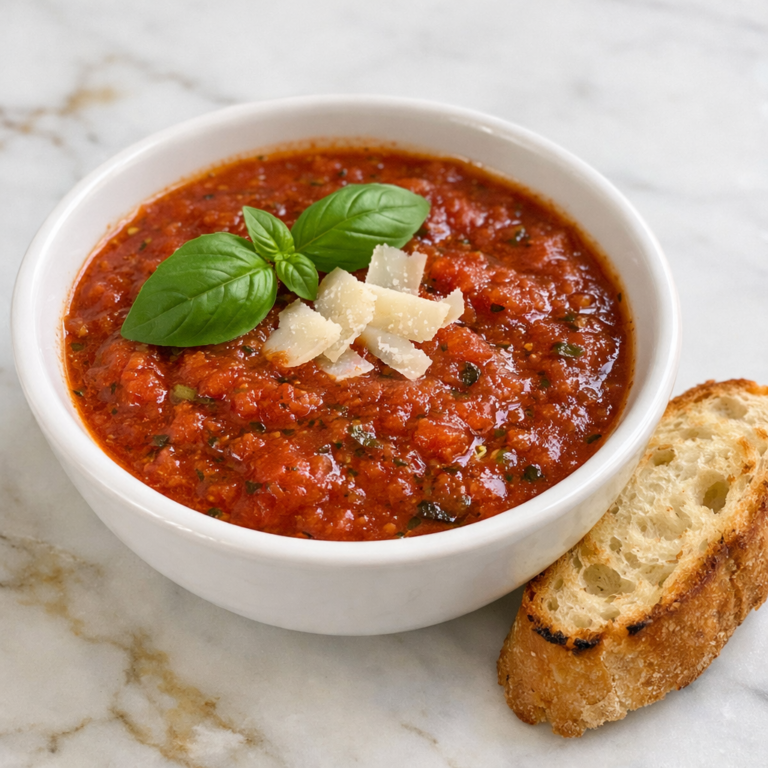
A ham and Swiss melt is wonderful with tomato soup. The warm soup pairs well with the crisp bread, salty ham, and creamy cheese, making it a cozy lunch or easy dinner.
Serve it with pickle spears for a deli-style plate. The bright, tangy crunch helps balance the richness of the sandwich.
For a simple family meal, add apple slices, grapes, carrot sticks, or cucumber slices on the side. Fresh fruit and vegetables keep the plate colorful and easy.
Potato chips are a classic choice when you want a quick lunch. Choose plain, kettle-cooked, or lightly salted chips for a crunchy side that does not need extra prep.
A small green salad also works well with this sandwich. Use a light vinaigrette so the meal feels balanced and not too heavy.
For a heartier dinner, serve the melt with coleslaw, roasted potatoes, or a bowl of vegetable soup. These sides make the sandwich feel more like a full meal.
Leftovers and Storage
Ham and Swiss melts taste best right after cooking, when the bread is crisp and the cheese is freshly melted. If you have leftovers, let the sandwiches cool completely before storing them.
Wrap each sandwich in foil or place it in an airtight container. Store in the refrigerator for up to 2 days.
To reheat, use a skillet over medium-low heat for the best texture. Warm the sandwich for 2 to 3 minutes per side, or until the bread crisps again and the cheese softens.
You can also reheat the sandwich in an air fryer at 350°F for 3 to 5 minutes. This is a good way to bring back some crunch without drying out the bread too much.
The microwave works in a pinch, but the bread will become soft. If you use the microwave, heat the sandwich briefly, then crisp it in a skillet for a better finish.
Freezing is not the best option for a cooked ham and Swiss melt because the bread can become soggy after thawing. If needed, freeze the assembled but uncooked sandwich without wet add-ins, then thaw in the refrigerator before grilling.
Nutrition and Benefits
- Filling and satisfying: Ham, Swiss cheese, and bread make this sandwich hearty enough for lunch or a light dinner. It is a simple meal that can keep everyone full without a lot of prep.
- Good source of protein: Ham and Swiss cheese both add protein. This helps the sandwich feel more complete than bread alone.
- Calcium from cheese: Swiss cheese adds calcium along with its mild, nutty flavor. Using two slices per sandwich gives a creamy melt and a more filling bite.
- Easy to balance with sides: Pair the sandwich with fruit, salad, soup, or raw vegetables. This makes the meal feel fresh while keeping the warm, comforting sandwich at the center.
- Flexible for family tastes: You can keep the melt plain for kids or add mustard, onions, pickles, or jam for adults. This makes it easy to serve different preferences from the same basic recipe.
Recipe FAQ
What is the best bread for a ham and Swiss melt?
Sourdough, rye, white sandwich bread, and whole wheat bread all work well. Sourdough gives a crisp, sturdy bite, while rye adds deli-style flavor. Soft white bread is a good choice for kids or anyone who likes a classic melt.
Can I make this sandwich in the oven?
Yes, you can bake ham and Swiss melts in the oven. Place the sandwiches on a baking sheet and bake at 400°F for about 6 to 8 minutes per side. Watch closely so the bread does not get too dark.
Can I use another kind of ham?
Yes, use black forest ham, honey ham, smoked ham, or leftover baked ham. Thin slices work best because they warm quickly and are easy to bite through. If using thick ham, cut it smaller so the sandwich stays easy to eat.
Why is my cheese not melting?
The heat may be too high, causing the bread to brown before the cheese melts. Lower the heat and cover the skillet for a minute or two. Using thinner cheese slices also helps the center melt faster.
Can I make a ham and Swiss melt without butter?
Yes, you can use mayonnaise on the outside of the bread instead of butter. You can also use a light spray of oil, though the flavor will be less rich. Butter gives the most classic golden crust.
What can I add inside the sandwich?
Tomatoes, pickles, caramelized onions, spinach, bacon, Dijon mustard, or a thin layer of jam all work well. Keep the fillings thin so the sandwich heats evenly. Pat wet ingredients dry before adding them.
Is this recipe good for kids?
Yes, ham and Swiss melts are very kid-friendly. You can leave out the mustard or serve it on the side for dipping. Cutting the sandwich into strips or small triangles also makes it easier for younger kids to eat.
A Warm Deli-Style Melt for Easy Days
A ham and Swiss melt is one of those simple meals that feels cozy, filling, and dependable. The crisp bread, warm ham, and creamy Swiss cheese make it a family-friendly choice for lunches, quick dinners, or relaxed weekends.
I love how easy it is to adjust while still keeping the sandwich familiar and comforting. With gentle heat and a few simple ingredients, this melt becomes a warm, satisfying recipe worth making again.