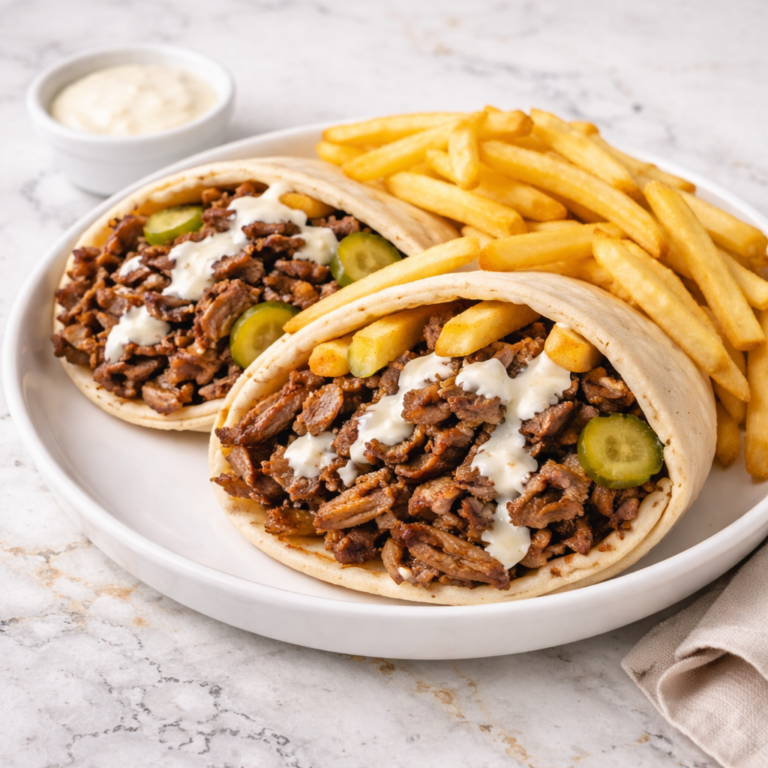
I make falafel at home because the authentic version tastes completely different from the dry, crumbly stuff you get from a box mix.
Real falafel uses soaked dried chickpeas—not canned—mixed with fresh herbs and spices, then fried until crispy outside and tender inside.
I’ll walk you through how to soak and blend the chickpeas without turning them into hummus, and how to fry them so they don’t fall apart in the oil. It takes a little planning ahead, but the texture and flavor are worth it.
Stuff them into pita with tahini sauce and vegetables, and you’ve got something that actually tastes like what you’d get in the Middle East.

Why You’ll Love This Recipe
This recipe delivers authentic flavor with a crisp exterior and a soft, herb-filled center. The combination of chickpeas, fresh herbs, and spices creates a bold and satisfying bite.
It’s also made with simple, wholesome ingredients that come together easily. Once you get the process down, it becomes a reliable and rewarding recipe.
Another reason this recipe stands out is its versatility. Falafel can be served in wraps, bowls, or as part of a larger spread, making it perfect for many occasions.
Serves: 4–6 people
This recipe makes about 12–16 falafel, depending on size. It serves four as a main dish or up to six as part of a meal.
Ingredients You’ll Need
For the falafel:
- 1½ cups dried chickpeas (soaked overnight, not canned)
- ½ small onion, roughly chopped
- 3 cloves garlic
- 1 cup fresh parsley
- ½ cup fresh cilantro
- 1 teaspoon ground cumin
- 1 teaspoon ground coriander
- ½ teaspoon baking soda
- 1 teaspoon salt
- ¼ teaspoon black pepper
For frying:
- Vegetable oil, for frying
Pro Tips
Use dried chickpeas that have been soaked overnight rather than canned chickpeas. This is key for achieving the right texture.
Do not overprocess the mixture. It should be slightly coarse, not smooth, to create a better texture.
Let the mixture rest before shaping. This helps the ingredients bind together more effectively.
If the mixture feels too wet, add a small amount of flour or breadcrumbs. This helps with shaping.
Test one falafel first before frying the rest. This helps you adjust seasoning and texture if needed.
Maintain the oil temperature to ensure even cooking. Too hot or too cool can affect the final result.
Tools You’ll Need
- Food processor
- Mixing bowl
- Deep skillet or pot for frying
- Slotted spoon
- Paper towels
- Cutting board
- Measuring cups and spoons
Substitutions and Variations
You can add herbs like dill or mint for a slightly different flavor profile. This adds freshness to the falafel.
For a baked version, shape the falafel and bake them instead of frying. This creates a lighter option.
If you prefer a spicier version, add chili flakes or a pinch of cayenne pepper. Adjust to your taste.
You can also shape the mixture into patties instead of balls. This makes them easier to use in sandwiches.
For a gluten-free option, ensure any added binders are gluten-free. The base recipe is naturally gluten-free.

Make Ahead Tips
Authentic Falafel is a great recipe to prepare ahead, especially if you want to save time when serving. You can soak the chickpeas and prepare the falafel mixture a day in advance, storing it covered in the refrigerator.
Letting the mixture rest overnight can actually improve the flavor and texture. It allows the herbs and spices to fully develop.
You can also shape the falafel ahead of time and keep them chilled until ready to fry. This makes cooking quicker and more convenient.
For longer storage, freeze the shaped falafel on a tray before transferring them to a container. This allows you to fry them directly from frozen when needed.
Instructions
Step 1: Soak the Chickpeas
Place the dried chickpeas in a large bowl and cover them with plenty of water. Let them soak overnight or for at least 12 hours.
Drain and rinse the chickpeas before using. They should be softened but not cooked.
Step 2: Prepare the Mixture
In a food processor, combine the soaked chickpeas, onion, garlic, parsley, and cilantro. Pulse until the mixture is finely chopped but still slightly coarse.
Avoid overprocessing, as a paste-like texture will not yield the best results. The mixture should hold together when pressed.
Step 3: Add Seasonings
Add cumin, coriander, baking soda, salt, and black pepper to the mixture. Pulse briefly to combine.
Taste and adjust seasoning if needed. The flavor should be bold and well balanced.
Step 4: Rest the Mixture
Transfer the mixture to a bowl and let it rest for at least 30 minutes. This helps the ingredients bind together.
If time allows, refrigerate it for a few hours. This improves both flavor and texture.
Step 5: Shape the Falafel
Using your hands or a scoop, form the mixture into small balls or patties. Press gently to hold their shape.
Place them on a tray and keep them ready for frying. Consistent size helps with even cooking.
Step 6: Heat the Oil
Heat vegetable oil in a deep skillet or pot to about 350°F (175°C). The oil should be hot but not smoking.
Test with a small piece of mixture to ensure the temperature is correct. It should sizzle immediately.
Step 7: Fry the Falafel
Carefully add the falafel to the hot oil in batches. Fry for 3–4 minutes, turning occasionally, until golden brown and crisp.
Avoid overcrowding the pan. This helps maintain the oil temperature.
Step 8: Drain and Cool
Remove the falafel with a slotted spoon and place them on paper towels to drain excess oil. Let them cool slightly.
This step helps keep them crisp. They should be golden and fragrant.
Step 9: Serve
Serve the falafel warm with your choice of sides, sauces, or wraps. They should be crisp on the outside and tender inside.
Enjoy them fresh for the best texture and flavor. They are ready to serve.
Serving Suggestions
Falafel is perfect served in warm pita bread with fresh vegetables and a drizzle of tahini or yogurt sauce. This creates a classic and satisfying meal.
You can also serve it as part of a mezze platter with hummus, baba ghanoush, and fresh salads. This makes for a flavorful spread.
It works well in grain bowls with rice, quinoa, or greens. This creates a balanced and nourishing dish.
For a lighter option, serve falafel over a salad with a tangy dressing. This keeps the meal fresh and vibrant.
Falafel can also be enjoyed as a snack or appetizer with dipping sauces. It’s versatile and easy to serve.
Leftovers and Storage
Store leftover falafel in an airtight container in the refrigerator for up to 4 days. They retain their flavor well.
Reheat them in an oven or air fryer to restore their crispness. Avoid microwaving if possible, as it can make them soft.
For freezing, store cooked or uncooked falafel in freezer-safe containers. Freeze for up to 2 months.
Reheat from frozen in the oven or fry directly if uncooked. This makes them convenient for future meals.
Avoid leaving them uncovered, as they can dry out. Proper storage helps maintain quality.
Nutrition and Benefits
- Chickpeas are rich in plant-based protein and fiber, making falafel both filling and nutritious. They support a balanced diet.
- Fresh herbs like parsley and cilantro add vitamins and a fresh flavor. They enhance both taste and nutrition.
- The recipe uses simple, whole ingredients, making it a wholesome option. It’s both satisfying and nourishing.
- Frying creates a crisp texture while maintaining a soft interior. Baking can be used for a lighter option.
- Falafel can be paired with vegetables and grains for a complete meal. It’s versatile and adaptable.
Recipe FAQ
Can I use canned chickpeas?
Canned chickpeas are not recommended for authentic falafel. They are too soft and can lead to a mushy texture.
Dried chickpeas provide the best results. Soaking them is essential.
Why is my falafel falling apart?
The mixture may be too wet or not processed correctly. Make sure to drain chickpeas well and avoid overprocessing.
Letting the mixture rest also helps. Adding a small binder can improve texture.
Can I bake falafel instead of frying?
Yes, you can bake falafel at 375°F until golden. This is a lighter alternative.
They may be less crisp than fried. Both methods work well.
How do I keep falafel crispy?
Serve them immediately after frying for the best texture. Reheat in an oven or air fryer to restore crispness.
Avoid covering them tightly while hot. This prevents steaming.
Can I make falafel gluten-free?
Yes, the base recipe is naturally gluten-free. Just ensure any added binders are gluten-free.
Check all ingredients if needed. It’s easy to adapt.
Can I add other spices?
Yes, you can customize the spice blend with paprika, chili powder, or other spices. This adds variety.
Adjust to your taste. The recipe is flexible.
Is falafel kid-friendly?
Yes, falafel has a mild, savory flavor that many kids enjoy. You can adjust spices if needed.
Serve with familiar sides or sauces. It’s a great family option.
A Timeless Classic Full of Flavor and Tradition
Authentic Falafel is a dish that brings together simple ingredients, bold flavors, and a rich culinary tradition in every bite. It’s versatile, satisfying, and perfect for sharing with family and friends in a variety of ways.
With its crisp texture and vibrant taste, it’s a recipe you’ll want to make again and again.