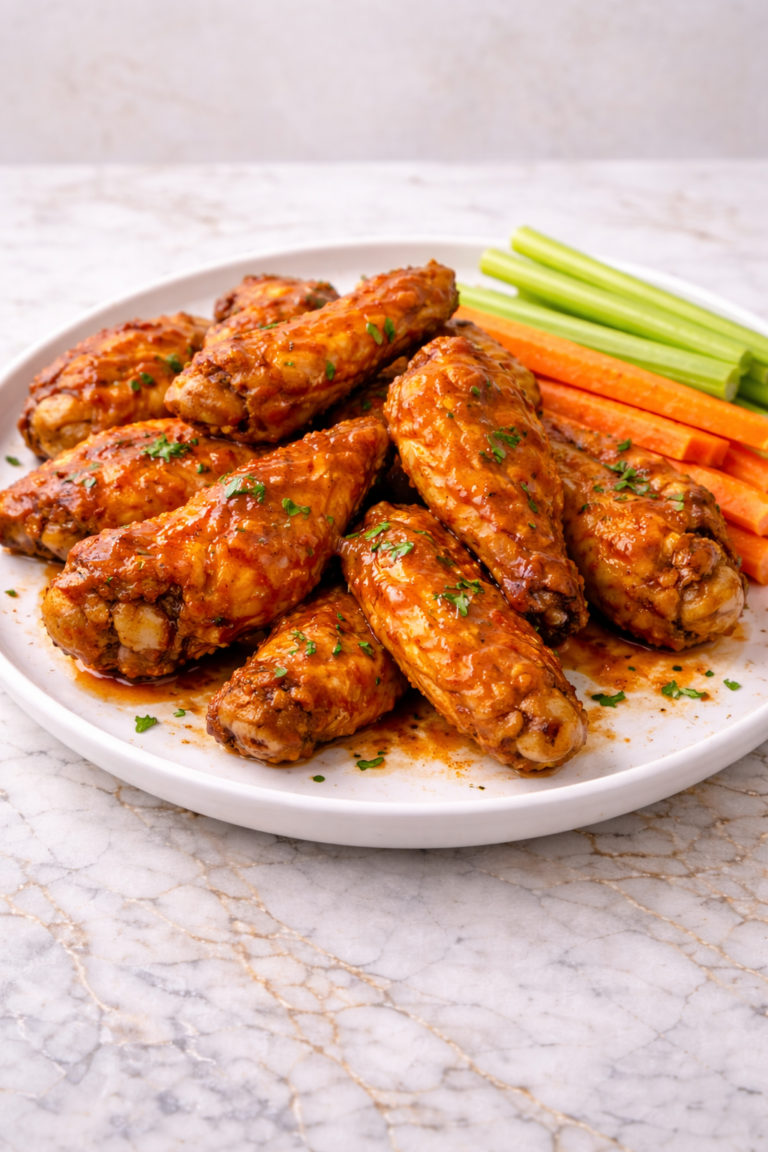
I make BBQ Grilled Chicken when I want a simple dinner that feels smoky, saucy, and easy to serve outside or at the kitchen table. It is one of those meals that always feels familiar, especially when the chicken has tender meat, lightly charred edges, and a sticky barbecue glaze.
This is a recipe I come back to for family dinners, weekend cookouts, and easy summer meals. I like that it uses simple seasoning, a dependable grilling method, and a sauce that caramelizes just enough without burning when it is added at the right time.

Why You’ll Love This Recipe
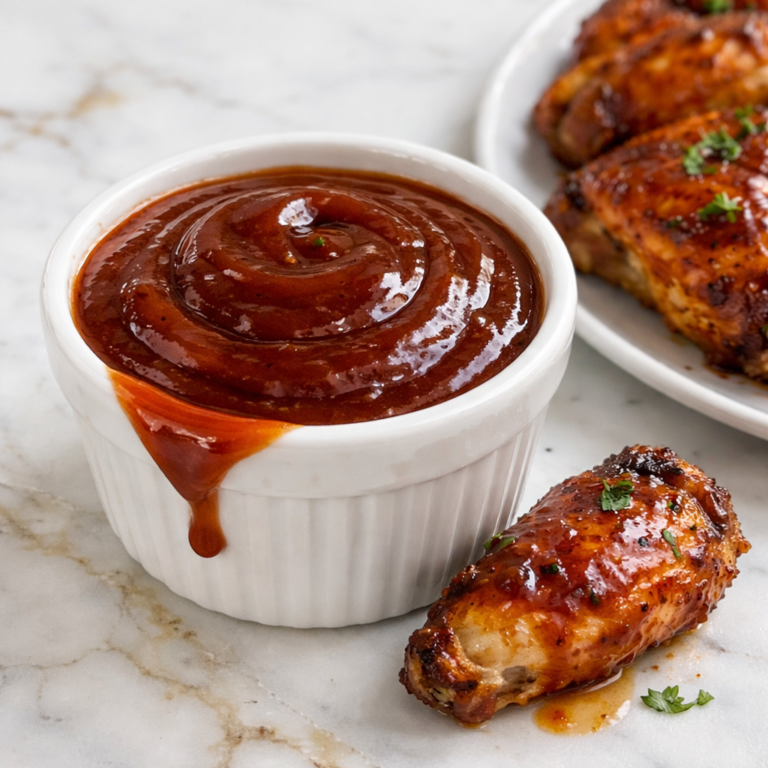
BBQ Grilled Chicken is juicy, flavorful, and simple enough for a weeknight dinner. The chicken is seasoned first, grilled until tender, and brushed with barbecue sauce near the end so it turns sticky, smoky, and delicious.
This recipe works well for families because it can be served with so many sides. You can pair it with corn on the cob, potato salad, coleslaw, baked beans, watermelon, rice, or a simple green salad.
It is also easy to adjust for different tastes. Use a sweet barbecue sauce for kids, a smoky sauce for classic cookout flavor, or a spicy sauce for adults who like a little heat.
Serves: 6 people
This BBQ Grilled Chicken recipe serves about 6 people as a main dish. It makes enough for a family dinner with sides, and the portions are easy to stretch if you serve the chicken with bread, salad, vegetables, or potatoes.
If you are feeding smaller children, you can slice the chicken into strips after grilling. For bigger appetites, serve extra drumsticks, thighs, or a larger side dish to make the meal more filling.
Ingredients You’ll Need
For the Chicken
- 3 pounds bone-in chicken pieces, such as thighs, drumsticks, or split chicken breasts
- 2 tablespoons olive oil
- 1 1/2 teaspoons fine sea salt
- 1 teaspoon black pepper
- 1 teaspoon garlic powder
- 1 teaspoon onion powder
- 1 teaspoon smoked paprika
- 1/2 teaspoon chili powder
- 1/2 teaspoon dried thyme
- 1/4 teaspoon cayenne pepper, optional
For the BBQ Glaze
- 1 1/2 cups barbecue sauce
- 2 tablespoons honey
- 1 tablespoon apple cider vinegar
- 1 tablespoon melted butter
- 1 teaspoon Dijon mustard
- 1/2 teaspoon smoked paprika
For Serving
- Extra barbecue sauce, warmed
- Chopped fresh parsley, optional
- Lemon wedges, optional
- Corn on the cob, optional
- Coleslaw, optional
- Potato salad, optional
Pro Tips
Pat the chicken dry before seasoning it. Dry skin and meat help the seasoning stick better and help the chicken brown more nicely on the grill.
Use medium heat instead of very high heat. Chicken needs time to cook through, and high heat can burn the outside before the inside reaches a safe temperature.
Start the chicken skin-side down if using skin-on pieces. This helps render the skin and gives the chicken a better grilled texture.
Wait to add barbecue sauce until the last 10 to 15 minutes of cooking. Sauce has sugar in it, and adding it too early can make it burn before the chicken is fully cooked.
Use a meat thermometer for the best results. Chicken should reach 165°F in the thickest part, and dark meat like thighs and drumsticks can go a little higher for a more tender bite.
Let the chicken rest before serving. A short rest helps the juices settle back into the meat, which keeps each piece tender and flavorful.
Tools You’ll Need
- Outdoor grill or grill pan
- Large mixing bowl
- Small mixing bowl
- Whisk
- Measuring cups
- Measuring spoons
- Tongs
- Basting brush
- Meat thermometer
- Cutting board
- Sharp knife
- Serving platter
- Paper towels
- Aluminum foil, optional
- Small saucepan, optional for warming extra sauce
Substitutions and Variations
Use Boneless Chicken
Use boneless, skinless chicken thighs or chicken breasts if you want a quicker version. Reduce the cooking time and watch closely so the meat stays juicy.
Make It Spicier
Add extra cayenne pepper, hot sauce, or a spicy barbecue sauce to the glaze. This gives the chicken more heat while keeping the same sweet and smoky base.
Make It Sweeter
Use a honey barbecue sauce and add an extra tablespoon of honey to the glaze. This makes the chicken extra sticky and kid-friendly with a softer smoky flavor.
Try a Different Sauce Style
Use Carolina-style mustard barbecue sauce, smoky Texas-style sauce, or a tangy vinegar-based sauce. The grilling method stays the same, but the flavor changes in a fun way.
Make It Lighter
Remove the skin before seasoning or use lean chicken breasts. The chicken will still taste flavorful from the spice rub and barbecue glaze, but it will feel a little lighter.
Make Ahead Tips
BBQ Grilled Chicken is a helpful make-ahead recipe because the chicken can be seasoned before it goes on the grill. Giving the seasoning time to sit on the meat helps the flavor settle in and makes dinner easier when it is time to cook.
You can season the chicken up to 24 hours ahead. Place the seasoned chicken in an airtight container or covered dish in the refrigerator until you are ready to grill.
The BBQ glaze can also be mixed ahead and stored in the refrigerator for up to 3 days. Stir it well before using, and warm it slightly if the butter firms up after chilling.
If you are cooking for a cookout, you can grill the chicken a little earlier and keep it warm loosely covered with foil for a short time. Add a fresh brush of warm barbecue sauce right before serving so the chicken looks glossy and tastes freshly finished.
For meal prep, grill the chicken fully, let it cool, and store it in the refrigerator. Keep extra sauce separate so the leftovers do not become too soft.
Instructions
Step 1: Prepare the Chicken
Pat 3 pounds of bone-in chicken pieces dry with paper towels. This helps the seasoning stick and gives the chicken a better texture on the grill.
Place the chicken in a large mixing bowl. Drizzle with 2 tablespoons olive oil and turn the pieces so they are lightly coated.
Make sure the chicken pieces are similar in size if possible. This helps them cook more evenly and makes it easier to manage them on the grill.
Step 2: Season the Chicken
In a small bowl, stir together 1 1/2 teaspoons fine sea salt, 1 teaspoon black pepper, 1 teaspoon garlic powder, 1 teaspoon onion powder, 1 teaspoon smoked paprika, 1/2 teaspoon chili powder, 1/2 teaspoon dried thyme, and 1/4 teaspoon cayenne pepper if using.
Sprinkle the seasoning blend over the chicken. Use clean hands or tongs to rub it evenly over all sides.
Let the chicken rest for 20 to 30 minutes while the grill heats. If you seasoned it ahead of time, remove it from the refrigerator about 20 minutes before grilling so it is not ice cold.
Step 3: Make the BBQ Glaze
In a small mixing bowl, whisk together 1 1/2 cups barbecue sauce, 2 tablespoons honey, 1 tablespoon apple cider vinegar, 1 tablespoon melted butter, 1 teaspoon Dijon mustard, and 1/2 teaspoon smoked paprika.
The glaze should taste sweet, tangy, smoky, and smooth. The honey helps it caramelize, while the vinegar keeps it from tasting too heavy.
Set aside about 1/2 cup of the glaze for serving if you want extra sauce at the table. Keep this portion separate from any sauce used to brush raw or partially cooked chicken.
Step 4: Heat the Grill
Preheat the grill to medium heat, about 350°F to 400°F. Clean and lightly oil the grates so the chicken does not stick.
If using a charcoal grill, set up one side with more heat and one side with less heat. This gives you a cooler spot to move the chicken if the outside starts browning too quickly.
A steady medium heat is best for bone-in chicken. It gives the inside time to cook through while the outside gets golden and lightly charred.
Step 5: Grill the Chicken
Place the chicken on the grill, skin-side down if using skin-on pieces. Cook for 6 to 8 minutes, then turn the pieces with tongs.
Continue grilling, turning every 5 to 7 minutes, until the chicken is browned on the outside and nearly cooked through. This usually takes 25 to 35 minutes, depending on the size of the pieces.
Move the chicken to a cooler part of the grill if it starts to char too quickly. Bone-in chicken needs patience, and slower grilling keeps it juicy.
Step 6: Brush with BBQ Glaze
When the chicken is almost done, brush it with the BBQ glaze. Turn the pieces and brush the other side as well.
Continue grilling for 10 to 15 minutes, turning and brushing every few minutes. The sauce should become sticky and glossy, with lightly caramelized edges.
Do not add the glaze too early. Barbecue sauce contains sugar, and it can burn if it sits over the heat for too long.
Step 7: Check for Doneness
Use a meat thermometer to check the thickest part of the chicken without touching the bone. The chicken is safe to eat when it reaches 165°F.
For thighs and drumsticks, cooking to 175°F to 185°F can make the meat even more tender. Dark meat holds up well to a little extra time on the grill.
The juices should run clear, and the meat should not look pink near the bone. A thermometer is the most reliable way to know it is done.
Step 8: Rest and Serve
Transfer the BBQ Grilled Chicken to a serving platter. Tent it loosely with foil and let it rest for 5 to 10 minutes.
Brush with a little extra warm barbecue sauce if you want a glossy finish. Sprinkle with chopped fresh parsley and serve with lemon wedges if using.
Serve the chicken warm with your favorite sides. The outside should be sticky and flavorful, while the inside stays juicy and tender.
Serving Suggestions
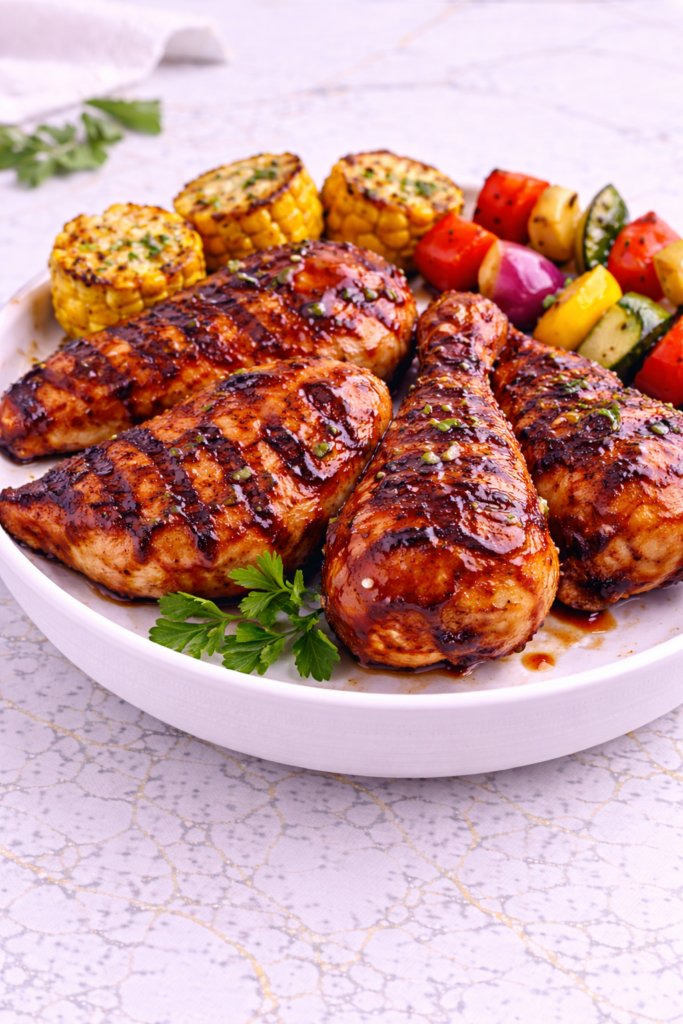
BBQ Grilled Chicken is classic with corn on the cob and coleslaw. The sweet corn and cool slaw balance the smoky, saucy chicken in a simple family-friendly way.
Potato salad is another great side because it is creamy and filling. It works especially well for cookouts, picnics, and weekend dinners.
Baked beans pair nicely with the barbecue flavor. Their sweet and savory taste makes the meal feel hearty and comforting.
For something lighter, serve the chicken with a green salad, cucumber salad, or grilled vegetables. The fresh sides help balance the richness of the sauce.
You can also serve BBQ Grilled Chicken with rice, macaroni and cheese, roasted potatoes, or dinner rolls. These sides are helpful when feeding bigger appetites.
Leftover chicken is great sliced off the bone and served in sandwiches, wraps, or grain bowls. Add extra sauce, lettuce, pickles, or slaw for an easy next-day meal.
Leftovers and Storage
Store leftover BBQ Grilled Chicken in an airtight container in the refrigerator for up to 4 days. Let the chicken cool before covering, but do not leave it at room temperature for more than 2 hours.
For best results, store extra barbecue sauce separately. This helps the chicken keep a better texture and lets you add fresh sauce when reheating.
Reheat the chicken in a 325°F oven, covered with foil, until warmed through. Add a spoonful of sauce or a small splash of water to help keep it moist.
You can also reheat smaller portions in the microwave. Cover loosely and warm in short intervals so the chicken does not dry out.
BBQ Grilled Chicken can be frozen for up to 2 months. Wrap the pieces tightly, place them in a freezer-safe container, and thaw overnight in the refrigerator before reheating.
Nutrition and Benefits
- Good source of protein: Chicken provides filling protein that helps make this meal satisfying. Bone-in pieces also stay juicy and flavorful on the grill.
- Homemade seasoning: The spice blend adds flavor without needing a long list of ingredients. Garlic powder, onion powder, paprika, thyme, and chili powder make the chicken taste warm and smoky.
- Flexible for family meals: This chicken works with many sides, from fresh salads to hearty potatoes. It is easy to build a plate that fits different ages and appetites.
- Grilled flavor: Cooking over the grill gives the chicken lightly charred edges and a smoky taste. Brushing the sauce near the end helps create a sticky glaze without burning.
- Great for leftovers: Leftover BBQ chicken can be used in sandwiches, wraps, salads, rice bowls, or quesadillas. This makes it useful for meal prep and easy lunches.
Recipe FAQ
Can I use boneless chicken for BBQ Grilled Chicken?
Yes, boneless chicken thighs or breasts work well. They cook faster than bone-in pieces, so check them earlier. Use a meat thermometer and remove them from the grill when they reach 165°F.
When should I add barbecue sauce to grilled chicken?
Add barbecue sauce during the last 10 to 15 minutes of grilling. This gives it enough time to caramelize without burning. If you add it too early, the sugar in the sauce can char before the chicken is cooked.
How do I keep grilled chicken juicy?
Use medium heat and avoid rushing the cooking process. Bone-in chicken needs time to cook through without burning on the outside. Letting the chicken rest after grilling also helps keep the juices inside.
What temperature should BBQ chicken reach?
Chicken should reach 165°F in the thickest part. For dark meat like thighs and drumsticks, 175°F to 185°F often gives a more tender texture. Make sure the thermometer does not touch the bone when checking.
Can I bake this recipe instead of grilling?
Yes, you can bake it at 425°F on a lined baking sheet. Bake until the chicken is nearly cooked through, then brush with BBQ glaze during the last 10 to 15 minutes. Broil briefly at the end if you want more caramelized edges.
Why is my barbecue sauce burning?
The sauce was likely added too early or the grill heat was too high. Barbecue sauce contains sugar, which burns quickly over strong heat. Add it near the end and move the chicken to a cooler part of the grill if needed.
Can I make BBQ Grilled Chicken ahead for a party?
Yes, you can season the chicken ahead and mix the glaze in advance. Grill the chicken before serving, or grill it earlier and keep it loosely covered for a short time. Brush with warm sauce right before serving so it looks fresh and glossy.
A Smoky Family Dinner Worth Repeating
BBQ Grilled Chicken is a simple, comforting meal that brings smoky flavor, tender meat, and sticky sauce together in the best way. It works for cookouts, weeknight dinners, family gatherings, and relaxed meals with easy sides.
The steps are dependable, the ingredients are familiar, and the finished chicken feels warm and satisfying every time. With juicy meat, caramelized edges, and plenty of saucy flavor, this is a recipe worth making again.