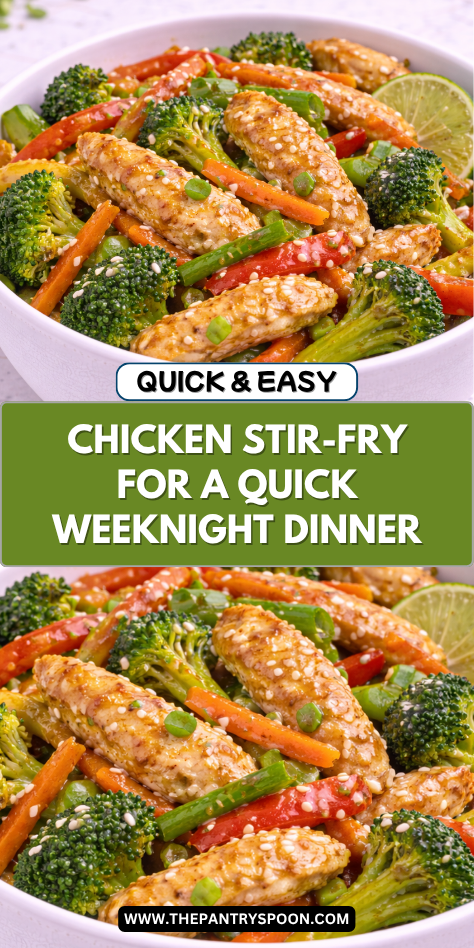
I make Chicken Stir-Fry on the nights when I need dinner to be fast, colorful, and still feel homemade. It is one of those meals that helps me use the vegetables in the fridge without making dinner feel thrown together.
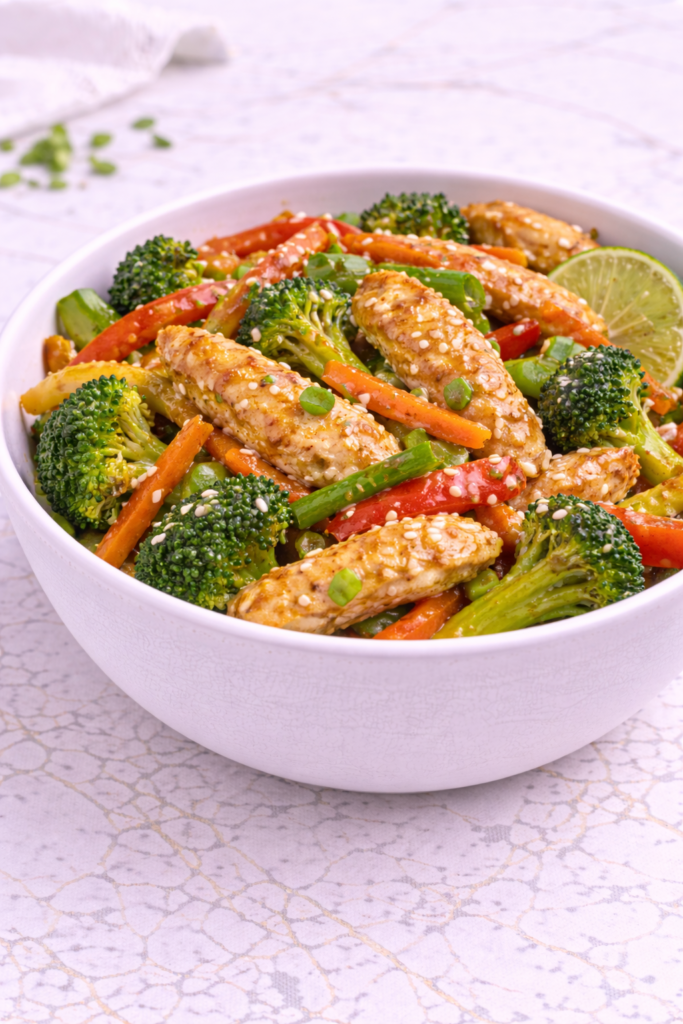
The chicken cooks up tender, the vegetables stay crisp, and the sauce brings everything together in a warm, savory way. I love serving it over rice or noodles because it turns simple ingredients into a full family meal that feels dependable every time.
Why You’ll Love This Recipe
Chicken Stir-Fry is quick enough for a busy weeknight but still tastes fresh and satisfying. The sauce is simple, the chicken cooks fast, and the vegetables add color, crunch, and plenty of flavor.
This meal is also very flexible, which makes it helpful for families with different tastes. You can use broccoli, bell peppers, carrots, snap peas, mushrooms, or whatever vegetables your family likes best.
It is a good recipe for beginners because each step is clear and simple. Once the ingredients are chopped and the sauce is mixed, everything cooks quickly in one large pan.
Serves: 4 people
This Chicken Stir-Fry serves 4 people as a main meal when served over rice, noodles, or cauliflower rice. The portions are filling without feeling too heavy, and the recipe can be stretched with extra vegetables if needed.
If you are feeding bigger appetites, you can add more cooked rice or noodles on the side. For smaller children, the chicken and vegetables can be cut into bite-size pieces so the meal is easier to eat.
Ingredients You’ll Need
For the Chicken and Vegetables
- 1 1/2 pounds boneless, skinless chicken breasts, thinly sliced
- 2 tablespoons cornstarch
- 1/2 teaspoon fine sea salt
- 1/4 teaspoon black pepper
- 2 tablespoons avocado oil or vegetable oil, divided
- 2 cups broccoli florets
- 1 red bell pepper, thinly sliced
- 1 yellow bell pepper, thinly sliced
- 1 cup snap peas
- 1 cup carrots, thinly sliced
- 1/2 cup sliced green onions, divided
- 2 garlic cloves, minced
- 1 tablespoon fresh ginger, grated
For the Stir-Fry Sauce
- 1/3 cup low-sodium soy sauce
- 1/4 cup chicken broth
- 2 tablespoons honey
- 1 tablespoon rice vinegar
- 1 tablespoon toasted sesame oil
- 1 tablespoon cornstarch
- 1/4 teaspoon crushed red pepper flakes, optional
For Serving
- 4 cups cooked white rice, brown rice, or noodles
- 1 tablespoon sesame seeds, optional for garnish
- Extra sliced green onions, optional for garnish
Pro Tips
Slice the chicken thinly and as evenly as you can. Thin pieces cook quickly and stay tender, which is important because stir-fry moves fast once the pan is hot.
Coat the chicken lightly with cornstarch before cooking. This helps the chicken brown nicely and gives the sauce something to cling to when everything comes together.
Have all ingredients ready before you turn on the heat. Stir-fry cooks quickly, so chopped vegetables, mixed sauce, and prepared chicken should be close by.
Cook the vegetables until they are crisp-tender, not soft. They should still have a little bite so the finished dish feels fresh and colorful.
Use a large skillet or wok so the ingredients have room to cook. If the pan is crowded, the chicken and vegetables may steam instead of getting that nice stir-fry texture.
Taste the sauce before adding it to the pan and adjust it for your family. Add a little more honey for sweetness, more vinegar for brightness, or skip the red pepper flakes for a mild version.
Tools You’ll Need
- Large wok or large skillet
- Sharp knife
- Cutting board
- Medium mixing bowl
- Small mixing bowl
- Whisk
- Measuring cups
- Measuring spoons
- Tongs
- Wooden spoon or silicone spatula
- Garlic press or microplane, optional
- Rice cooker or medium saucepan, optional for serving
Substitutions and Variations
Swap the Protein
Use thinly sliced beef, shrimp, pork, tofu, or turkey instead of chicken. Keep the pieces small and adjust the cook time so the protein stays tender.
Make It Gluten-Free
Use gluten-free tamari instead of soy sauce and check that your chicken broth is gluten-free. This keeps the sauce savory while making the meal easier for gluten-sensitive family members.
Change the Vegetables
Use zucchini, mushrooms, baby corn, green beans, cabbage, or asparagus in place of any vegetables listed. Try to keep the total amount similar so the sauce still coats everything well.
Make It Lighter
Serve the Chicken Stir-Fry over cauliflower rice, shredded cabbage, or lettuce cups instead of rice or noodles. This keeps the meal fresh and filling while lowering the amount of grains.
Add More Flavor and Texture
Top the finished dish with chopped cashews, peanuts, sesame seeds, or a squeeze of lime juice. These little extras add crunch and brightness without changing the heart of the recipe.
Make Ahead Tips
Chicken Stir-Fry is a great recipe to prep ahead because most of the work is chopping and mixing. When the chicken, vegetables, and sauce are ready before cooking, dinner comes together quickly and feels much less rushed.
You can slice the chicken up to 24 hours ahead and store it in an airtight container in the refrigerator. Wait to add the cornstarch, salt, and pepper until just before cooking so the coating stays light and fresh.
The vegetables can also be washed, dried, and chopped 1 to 2 days ahead. Keep them in separate containers or a large sealed bag lined with a paper towel to help control moisture.
The stir-fry sauce can be whisked together up to 3 days ahead and stored in the refrigerator. Give it a good shake or stir before using because the cornstarch may settle at the bottom.
For the easiest weeknight dinner, cook the rice or noodles ahead of time too. Store them separately so they do not soak up the sauce before serving.
Instructions
Step 1: Mix the Stir-Fry Sauce
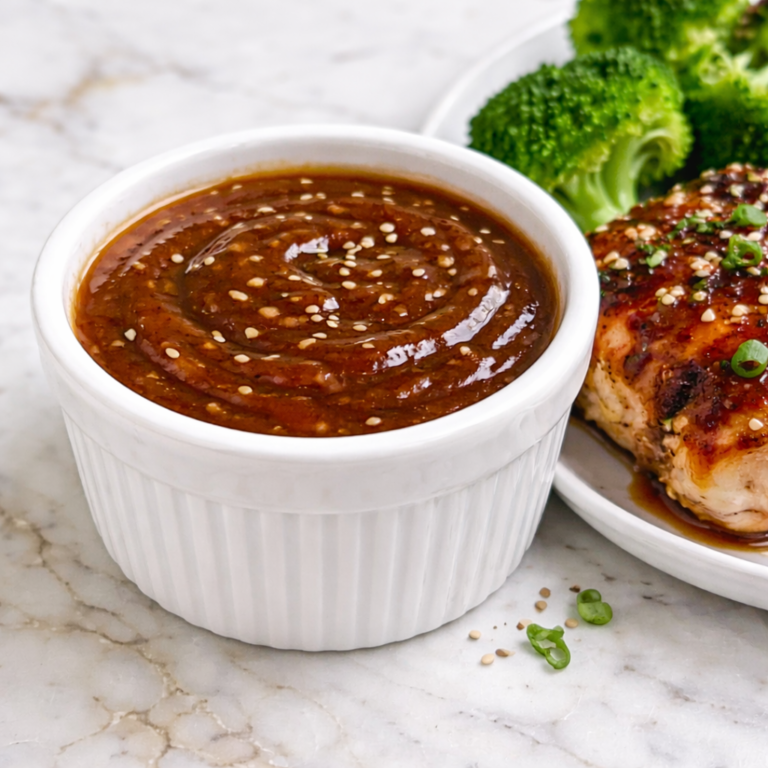
In a small bowl, whisk together 1/3 cup low-sodium soy sauce, 1/4 cup chicken broth, 2 tablespoons honey, 1 tablespoon rice vinegar, 1 tablespoon toasted sesame oil, 1 tablespoon cornstarch, and 1/4 teaspoon crushed red pepper flakes if using.
Whisk until the cornstarch is fully dissolved and the sauce looks smooth. Set the bowl near the stove so it is ready when the chicken and vegetables are cooked.
Taste the sauce before cooking if you like to adjust flavors early. Add a little more honey for a sweeter family-style sauce, or leave out the red pepper flakes for a mild version.
Step 2: Prepare the Chicken
Place 1 1/2 pounds thinly sliced boneless, skinless chicken breasts in a medium mixing bowl. Sprinkle with 2 tablespoons cornstarch, 1/2 teaspoon fine sea salt, and 1/4 teaspoon black pepper.
Toss the chicken until every piece has a light, even coating. The cornstarch helps the chicken brown and keeps the sauce smooth and glossy later.
Try to separate any pieces that are stuck together before they go into the pan. This helps the chicken cook evenly and keeps it from clumping.
Step 3: Cook the Chicken
Heat 1 tablespoon avocado oil or vegetable oil in a large wok or skillet over medium-high heat. When the oil looks shiny, add the chicken in a single layer as much as possible.
Cook for 4 to 6 minutes, stirring and turning the pieces until the chicken is golden in spots and cooked through. The internal temperature should reach 165°F.
Transfer the cooked chicken to a clean plate and set it aside. Do not wipe out the pan because the little browned bits will add flavor to the vegetables and sauce.
Step 4: Cook the Vegetables
Add the remaining 1 tablespoon avocado oil or vegetable oil to the same pan. Add 2 cups broccoli florets, 1 red bell pepper thinly sliced, 1 yellow bell pepper thinly sliced, 1 cup snap peas, and 1 cup thinly sliced carrots.
Cook over medium-high heat for 4 to 5 minutes, stirring often. The vegetables should look bright and feel crisp-tender, not limp or mushy.
If the pan seems dry, add 1 to 2 tablespoons of water to help the vegetables steam slightly. Let the water cook off before adding the sauce so the stir-fry does not become watery.
Step 5: Add Garlic, Ginger, and Green Onions
Add 2 minced garlic cloves, 1 tablespoon grated fresh ginger, and 1/4 cup sliced green onions to the pan with the vegetables. Stir for about 30 to 60 seconds, just until the garlic and ginger smell fragrant.
Keep the ingredients moving so the garlic does not burn. Burnt garlic can taste bitter, and it can change the flavor of the whole dish.
This quick step adds a warm, fresh flavor that makes the stir-fry taste homemade. It also helps the sauce taste deeper once it is added.
Step 6: Combine Chicken and Sauce
Return the cooked chicken to the pan with the vegetables. Whisk the sauce one more time, then pour it evenly over everything.
Stir well so the chicken and vegetables are coated in the sauce. Cook for 1 to 2 minutes, until the sauce thickens and looks glossy.
The sauce should cling lightly to the chicken and vegetables without pooling too much in the pan. If it becomes too thick, add a splash of chicken broth or water and stir again.
Step 7: Finish and Serve
Turn off the heat and stir in another 1/4 cup sliced green onions. Taste and adjust with a small pinch of salt, a drizzle of honey, or a splash of rice vinegar if needed.
Spoon the Chicken Stir-Fry over 4 cups cooked white rice, brown rice, or noodles. Sprinkle with 1 tablespoon sesame seeds and extra sliced green onions if you want a simple garnish.
Serve right away while the vegetables are still crisp and the sauce is warm. Stir-fry tastes best fresh from the pan, especially when the chicken is tender and the sauce is glossy.
Serving Suggestions
Chicken Stir-Fry is classic over steamed white rice because the rice soaks up the savory sauce. It makes the meal feel filling and simple, which is helpful on busy weeknights.
Brown rice is a nice choice when you want a little more texture and whole grain flavor. It takes longer to cook, so I like making it ahead when I know stir-fry is on the menu.
Noodles also work well with this recipe, especially lo mein noodles, rice noodles, or spaghetti in a pinch. Toss them with the chicken and vegetables right before serving so they get lightly coated in sauce.
For a lighter meal, serve the stir-fry over cauliflower rice or shredded cabbage. The warm sauce softens the vegetables just enough and keeps the plate fresh.
You can also serve it with simple sides like cucumber salad, steamed edamame, or sliced oranges. These fresh sides balance the warm, savory flavor of the stir-fry.
For kids, try serving the rice, chicken, and vegetables in small sections on the plate. Some children like meals better when they can mix the parts themselves.
Leftovers and Storage
Store leftover Chicken Stir-Fry in an airtight container in the refrigerator for up to 4 days. Let it cool before covering, but do not leave it at room temperature for more than 2 hours.
For best results, store the rice or noodles separately from the chicken and vegetables. This keeps the grains from soaking up too much sauce and becoming soft.
Reheat leftovers in a skillet over medium heat with a splash of water or chicken broth. Stir gently until the chicken is hot and the sauce loosens again.
You can also reheat a single portion in the microwave. Cover loosely and warm in short intervals, stirring between each one so the chicken heats evenly.
Freezing is possible, but the vegetables will be softer after thawing. Freeze the chicken and sauce portion for up to 2 months, then thaw overnight in the refrigerator and reheat gently.
Nutrition and Benefits
- Lean protein: Chicken breast adds filling protein that helps make this meal satisfying. It is a helpful choice for busy nights when you want dinner to feel balanced.
- Plenty of vegetables: Broccoli, bell peppers, snap peas, and carrots add color, fiber, and fresh flavor. The variety also makes the meal more appealing for families.
- Homemade sauce: Making the sauce at home lets you control the sweetness, saltiness, and spice level. Low-sodium soy sauce helps keep the flavor savory without making it too salty.
- Flexible meal base: This stir-fry works with rice, noodles, cauliflower rice, or extra vegetables. That makes it easy to fit different appetites and meal plans.
- Quick cooking: Stir-frying helps keep the vegetables crisp and bright. It also makes the recipe a practical option for weeknights when time is limited.
Recipe FAQ
Can I use chicken thighs instead of chicken breasts?
Yes, boneless, skinless chicken thighs work very well in Chicken Stir-Fry. They are a little richer and often stay juicy even if cooked a minute longer. Slice them thinly so they cook quickly and evenly.
How do I keep the chicken tender?
Slice the chicken thinly and coat it lightly with cornstarch before cooking. Cook it over medium-high heat just until it reaches 165°F, then remove it from the pan. Adding it back at the end keeps it from overcooking.
Can I use frozen vegetables?
Yes, frozen vegetables can be used when you need a shortcut. Cook them straight from frozen and expect them to release more liquid than fresh vegetables. Let extra moisture cook off before adding the sauce.
Why is my stir-fry watery?
Stir-fry can become watery if the pan is overcrowded or the vegetables release too much moisture. Use a large wok or skillet and keep the heat at medium-high. If needed, cook the vegetables in batches so they sear instead of steam.
Can I make this recipe less salty?
Yes, use low-sodium soy sauce and low-sodium chicken broth. You can also add a little more honey, rice vinegar, or water to soften the salty flavor. Taste the sauce before adding it to the pan.
What vegetables are best for Chicken Stir-Fry?
Broccoli, bell peppers, carrots, snap peas, mushrooms, zucchini, and green beans all work well. Choose vegetables that cook quickly and hold their shape. Cut them into similar sizes so they finish at the same time.
Can I meal prep Chicken Stir-Fry?
Yes, Chicken Stir-Fry works well for meal prep, especially if you store the rice separately. Portion the chicken and vegetables into containers and add rice or noodles on the side. Reheat with a small splash of water to refresh the sauce.
A Fresh Weeknight Dinner That Always Helps
Chicken Stir-Fry is one of those dependable meals that makes dinner feel easier without giving up flavor or comfort. It is colorful, warm, and full of tender chicken, crisp vegetables, and a simple sauce that brings everything together.
It works well for busy nights, family meals, and meal prep because the ingredients are flexible and the steps are easy to follow. Once you make it a few times, it becomes a trusted recipe to keep in your regular dinner rotation.